Buy baumschulen.eu ?
We are moving the project
baumschulen.eu .
Are you interested in purchasing the domain
baumschulen.eu ?
domain@kv-gmbh.de · 0541-91531010
Buy baumschulen.eu ?
Which plants repel bees and wasps?
Plants such as mint, eucalyptus, citronella, and wormwood are known to repel bees and wasps due to their strong scents. These plants emit fragrances that bees and wasps find unpleasant, deterring them from coming near. Planting these types of herbs and flowers in your garden or outdoor space can help keep bees and wasps away naturally. **
Do walnut trees really keep wasps away?
There is no scientific evidence to support the claim that walnut trees keep wasps away. While some people believe that the strong scent of walnut trees may deter wasps, there is no conclusive proof of this. Wasps are attracted to a variety of scents and food sources, so it is unlikely that walnut trees alone would effectively keep them away. It is always best to use proven methods such as traps or repellents to manage wasp populations. **

Similar search terms for Wasps
Top-Angebote
Products related to Wasps:
-
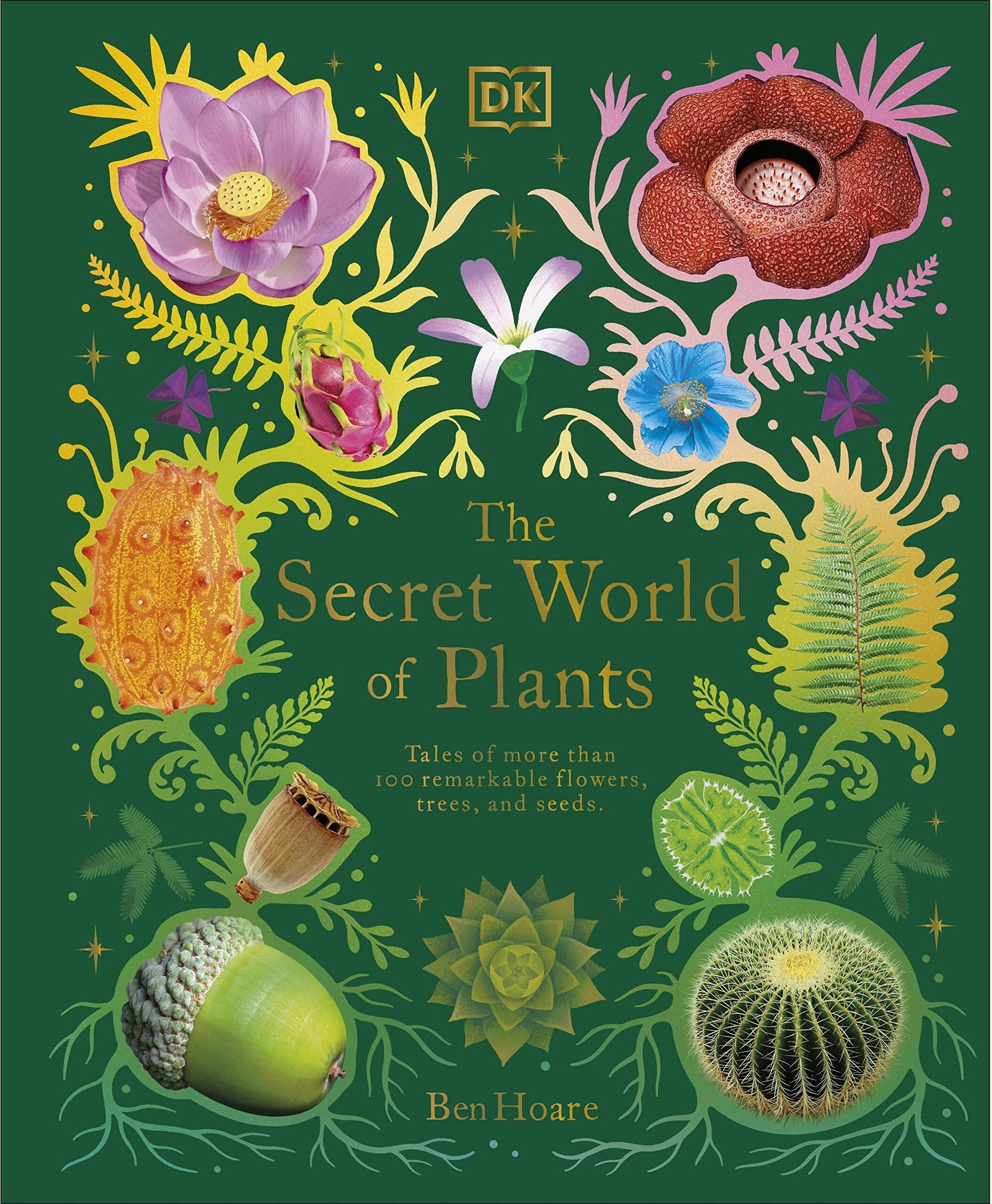
DK Children The Secret World of Plants: Tales of More Than 100 Remarkable Flowers, Trees, and Seeds by Ben Hoare (DK Treasures)A timeless treasury of more than 100 stories from the incredible kingdom of plants, told by author and nature expert Ben Hoare. Plants are found almost everywhere on Earth, but to many people, their lives are a mystery. Learn how seagrass flowers underwater, how the Venus flytrap counts to make sure it catches its prey, and why some tulips used to cost more than a house! This fascinating book for kids explores the vast plant kingdom and explains how plants work, as well as the weird and wonderful relationships they have with animals. Children can discover the secrets of more than 100 amazing plants in this treasury of fascinating flora, as well as the essentials of plant science, including photosynthesis, pollination, and germination. Each species is shown with remarkable photography and beautiful illustrations, all brought to life by Ben Hoare's writing, filled with charm and infectious enthusiasm. This nature book for children ages 7+ features:- An eye-catching holographic cover, gilded edges, and stunning photography and illustrations, making it the perfect gift - A wide range of incredible plants and trees from all around the world- Illustrated diagrams to support definitions of different types of plants - Introductory reference pages that explain key topics such as photosynthesisThis book is a must for any child interested in the natural world and the plants that grow in it. Plants provide us with food, fuel, and medicine, and without them, life as we know it would not exist. From orchids that grow vanilla pods to leaves that look like stones, and from bamboo that can be made into clothes to moss that soaks up vast amounts of carbon dioxide, plants shape our world in an endless variety of ways.13,99 £*Shipping: 2,99 £Secure redirect to the provider
-
Chronicle Books Floret Farms A Year in Flowers Book – Flower Arranging & Gardening CollectionNEW YORK TIMES BESTSELLERWALL STREET JOURNAL BESTSELLER Learn how to buy, style, and present seasonal flower arrangements for every occasion. With sections on tools, flower care, and design techniques, Floret Farm's A Year in Flowers presents all the secrets to arranging garden-fresh bouquets. Featuring expert advice from Erin Benzakein, world-renowned flower farmer, floral designer, and bestselling author of Floret Farm: Cut Flower Garden, this book is a gorgeous and comprehensive guide to everything you need to make your own incredible arrangements all year long, whether harvesting flowers from the backyard or shopping for blooms at the market.* Includes an A-Z flower guide with photos and care tips for more than 200 varieties. * Simple-to-follow advice on flower care, material selection, and essential design techniques* More than 25 how-to projects, including magnificent centerpieces, infinitely giftable posies, festive wreaths, and breathtaking bridal bouquetsFloret Farm's A Year in Flowers offers advice on every phase of working with cut flowers-including gardening, buying, caring for, and arranging fresh flowers. Brimming with indispensable tips and hundreds of vibrant photographs, this book is an invitation to live a flower-filled life and the perfect gift for anyone who loves flowers.* The definitive guide to flower arranging from the biggest star in the farm-to-centerpiece movement* Perfect to gift for flower lovers, avid and novice gardeners, floral designers, wedding planners, florists, small farmers, stylists, designers, crafters, and those passionate about the local floral movement* For those who loved Floret Farm's Cut Flower Garden by Erin Benzakein, The Flower Recipe Book by Alethea Harampol13,50 £*Shipping: 2,99 £Secure redirect to the provider
-
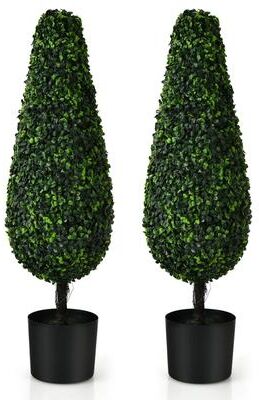
3ft Artificial Boxwood Tower Topiary Trees Decorative Greenery PlantsOur artificial greenery plants are as natural as they were, so lifelike that it is difficult to distinguish them from real flowers and plants. It could bring you fresh feeling from nature at any time of the year.202,99 $*Shipping: 0,00 $Secure redirect to the provider
-
Inspire Curations Premium White Polished Pebbles Natural Decorative Stones For Aquarium, Plants & Landscaping 800gElevate your space with the clean, calming beauty of these white decorative pebbles. Designed for both indoor and outdoor styling, these smooth stones instantly brighten any setupfrom aquariums to plant pots and garden paths. Their polished finish...130,50 $*Shipping: 0,00 $Secure redirect to the provider


-
Do wasps eat other wasps?
Yes, some species of wasps are known to be predatory and will hunt and eat other insects, including other wasps. These predatory wasps may capture and paralyze their prey before feeding on them or bringing them back to their nest to feed their larvae. However, not all wasp species are predatory, and some may primarily feed on nectar and other plant-based food sources. **
-
What do you do during a student internship in landscaping and gardening (gardening and landscaping/gardening)?
During a student internship in landscaping and gardening, you would typically assist with various tasks such as planting, weeding, watering, and pruning plants. You may also help with landscape design, installation of hardscape features, and maintenance of outdoor spaces. Additionally, you may have the opportunity to learn about soil preparation, pest control, and proper use of gardening tools and equipment. Overall, the internship provides hands-on experience in all aspects of landscaping and gardening, allowing you to gain valuable skills and knowledge in the field. **
-
Which plants do bees and wasps not like?
Bees and wasps are not particularly fond of plants with strong scents, such as mint, eucalyptus, and citronella. They also tend to avoid plants with fuzzy or hairy leaves, like lamb's ear or velvety sage. Additionally, plants with very bright or dark colors may not attract bees and wasps as much as plants with more subtle colors. **
-
Can wasps smell?
Yes, wasps have a strong sense of smell. They use their antennae to detect pheromones released by other wasps, which helps them communicate and navigate. This sense of smell also helps them locate food sources such as nectar and other insects. Overall, their sense of smell plays a crucial role in their survival and social behavior. **

What repels wasps?
There are several natural repellents that can help keep wasps away, such as peppermint oil, citronella, and eucalyptus. These scents are unpleasant to wasps and can deter them from coming near. Additionally, planting certain herbs like mint, basil, and thyme in your garden can also help repel wasps. Keeping your outdoor eating areas clean and free of food and sugary drinks can also help prevent attracting wasps in the first place. **
What attracts wasps?
Wasps are attracted to a variety of things including sweet smells, sugary foods, and ripe fruits. They are also drawn to protein sources like meat and pet food. Additionally, wasps are attracted to bright colors and strong scents, which can lead them to outdoor gatherings or picnics. It is important to keep these attractants in mind when trying to prevent wasps from becoming a nuisance. **
Top-Angebote
Products related to Wasps:
-
John Murray New Scientist 3 Books Set (Why don't Penguins' Feet Freeze, Do Polar Bears get Lonely, Does anything eat Wasps)Why Don't Penguins' Feet Freeze?: And 114 Other Questions Ever wondered why we have fingerprints? Or whether bumblebees really defy the laws of physics when they fly? And why are eggs egg-shaped? And dogs' noses black? Why do our eyes water when we cut onions? Why doesn't superglue stick to the inside of its tube?Why Don't Penguins' Feet Freeze? is popular science at its most entertaining and enlightening. Do Polar Bears Get Lonely?: And 101 Other Intriguing Science Questions Why does garlic make your breath smell? How toothpaste makers get the stripes in toothpaste? Why do we get 'pins and needles'? Why are some people left-handed and other people right-handed? Can insects get fat? Do elephants sneeze? And do fish get thirsty? What causes cells to stick together in the human body rather than simply fall apart? And why are pears pear-shaped (and not apple-shaped)?This all-new and eagerly awaited selection of the best once again presents popular science at its most entertaining and enlightening. Does Anything Eat Wasps: And 101 Other Questions Every year, readers send in thousands of questions to New Scientist, the world's best-selling science weekly, in the hope that the answers to them will be given in the 'Last Word' column - regularly voted the most popular section of the magazine. Does Anything Eat Wasps? is a collection of the best that have appeared, including: Why can't we eat green potatoes? Why do airliners suddenly plummet? Does a compass work in space? Why do all the local dogs howl at emergency sirens? How can a tree grow out of a chimney stack? Why do bruises go through a range of colours? Why is the sea blue inside caves? Many seemingly simple questions are actually very complex to answer. And some that seem difficult have a very simple explanation.12,99 £*Shipping: 2,99 £Secure redirect to the provider
-
DK Children The Secret World of Plants: Tales of More Than 100 Remarkable Flowers, Trees, and Seeds by Ben Hoare (DK Treasures)A timeless treasury of more than 100 stories from the incredible kingdom of plants, told by author and nature expert Ben Hoare. Plants are found almost everywhere on Earth, but to many people, their lives are a mystery. Learn how seagrass flowers underwater, how the Venus flytrap counts to make sure it catches its prey, and why some tulips used to cost more than a house! This fascinating book for kids explores the vast plant kingdom and explains how plants work, as well as the weird and wonderful relationships they have with animals. Children can discover the secrets of more than 100 amazing plants in this treasury of fascinating flora, as well as the essentials of plant science, including photosynthesis, pollination, and germination. Each species is shown with remarkable photography and beautiful illustrations, all brought to life by Ben Hoare's writing, filled with charm and infectious enthusiasm. This nature book for children ages 7+ features:- An eye-catching holographic cover, gilded edges, and stunning photography and illustrations, making it the perfect gift - A wide range of incredible plants and trees from all around the world- Illustrated diagrams to support definitions of different types of plants - Introductory reference pages that explain key topics such as photosynthesisThis book is a must for any child interested in the natural world and the plants that grow in it. Plants provide us with food, fuel, and medicine, and without them, life as we know it would not exist. From orchids that grow vanilla pods to leaves that look like stones, and from bamboo that can be made into clothes to moss that soaks up vast amounts of carbon dioxide, plants shape our world in an endless variety of ways.13,99 £*Shipping: 2,99 £Secure redirect to the provider
-
Chronicle Books Floret Farms A Year in Flowers Book – Flower Arranging & Gardening CollectionNEW YORK TIMES BESTSELLERWALL STREET JOURNAL BESTSELLER Learn how to buy, style, and present seasonal flower arrangements for every occasion. With sections on tools, flower care, and design techniques, Floret Farm's A Year in Flowers presents all the secrets to arranging garden-fresh bouquets. Featuring expert advice from Erin Benzakein, world-renowned flower farmer, floral designer, and bestselling author of Floret Farm: Cut Flower Garden, this book is a gorgeous and comprehensive guide to everything you need to make your own incredible arrangements all year long, whether harvesting flowers from the backyard or shopping for blooms at the market.* Includes an A-Z flower guide with photos and care tips for more than 200 varieties. * Simple-to-follow advice on flower care, material selection, and essential design techniques* More than 25 how-to projects, including magnificent centerpieces, infinitely giftable posies, festive wreaths, and breathtaking bridal bouquetsFloret Farm's A Year in Flowers offers advice on every phase of working with cut flowers-including gardening, buying, caring for, and arranging fresh flowers. Brimming with indispensable tips and hundreds of vibrant photographs, this book is an invitation to live a flower-filled life and the perfect gift for anyone who loves flowers.* The definitive guide to flower arranging from the biggest star in the farm-to-centerpiece movement* Perfect to gift for flower lovers, avid and novice gardeners, floral designers, wedding planners, florists, small farmers, stylists, designers, crafters, and those passionate about the local floral movement* For those who loved Floret Farm's Cut Flower Garden by Erin Benzakein, The Flower Recipe Book by Alethea Harampol13,50 £*Shipping: 2,99 £Secure redirect to the provider
-
Which plants repel bees and wasps?
Plants such as mint, eucalyptus, citronella, and wormwood are known to repel bees and wasps due to their strong scents. These plants emit fragrances that bees and wasps find unpleasant, deterring them from coming near. Planting these types of herbs and flowers in your garden or outdoor space can help keep bees and wasps away naturally. **
-
Do walnut trees really keep wasps away?
There is no scientific evidence to support the claim that walnut trees keep wasps away. While some people believe that the strong scent of walnut trees may deter wasps, there is no conclusive proof of this. Wasps are attracted to a variety of scents and food sources, so it is unlikely that walnut trees alone would effectively keep them away. It is always best to use proven methods such as traps or repellents to manage wasp populations. **
-
Do wasps eat other wasps?
Yes, some species of wasps are known to be predatory and will hunt and eat other insects, including other wasps. These predatory wasps may capture and paralyze their prey before feeding on them or bringing them back to their nest to feed their larvae. However, not all wasp species are predatory, and some may primarily feed on nectar and other plant-based food sources. **
-
What do you do during a student internship in landscaping and gardening (gardening and landscaping/gardening)?
During a student internship in landscaping and gardening, you would typically assist with various tasks such as planting, weeding, watering, and pruning plants. You may also help with landscape design, installation of hardscape features, and maintenance of outdoor spaces. Additionally, you may have the opportunity to learn about soil preparation, pest control, and proper use of gardening tools and equipment. Overall, the internship provides hands-on experience in all aspects of landscaping and gardening, allowing you to gain valuable skills and knowledge in the field. **
Similar search terms for Wasps
-
3ft Artificial Boxwood Tower Topiary Trees Decorative Greenery PlantsOur artificial greenery plants are as natural as they were, so lifelike that it is difficult to distinguish them from real flowers and plants. It could bring you fresh feeling from nature at any time of the year.202,99 $*Shipping: 0,00 $Secure redirect to the provider
-
Inspire Curations Premium White Polished Pebbles Natural Decorative Stones For Aquarium, Plants & Landscaping 800gElevate your space with the clean, calming beauty of these white decorative pebbles. Designed for both indoor and outdoor styling, these smooth stones instantly brighten any setupfrom aquariums to plant pots and garden paths. Their polished finish...130,50 $*Shipping: 0,00 $Secure redirect to the provider
-
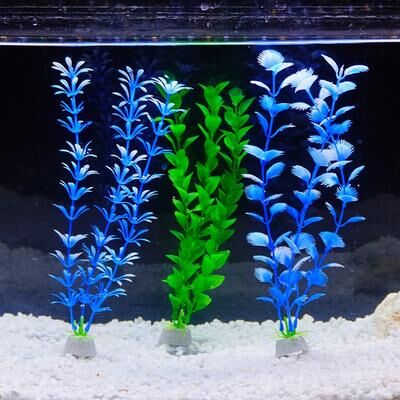
Multisell Products Hub Artificial Aquatic Plants, Green Grass For Aquarium Landscaping Decor 3pcs 25cmTransform Your Aquarium with Artificial Aquatic Plants Bring life to your fish tank with 3 pcs Artificial Plastic Green Grass Aquatic Plants. Crafted from durable, highquality plastic, these plants offer a realistic look while maintaining...34,97 $*Shipping: 0,00 $Secure redirect to the provider
-
Kodotan sofa 6FT Spiral Topiary Trees Artificial Outdoor Faux Boxwood Plants Large Twisted Green Potted Trees, 2pcs/setOutdoor uv resistant plastic boxwood topiary bonsai artificial spiral tree plant 5.9ft 2pc/set. Indulge in lifelike artificial greenery, boasting vibrant hues and textures. Elevate your home's charm with this stunning addition of nature-inspired...299,99 $*Shipping: 0,00 $Secure redirect to the provider
-
Which plants do bees and wasps not like?
Bees and wasps are not particularly fond of plants with strong scents, such as mint, eucalyptus, and citronella. They also tend to avoid plants with fuzzy or hairy leaves, like lamb's ear or velvety sage. Additionally, plants with very bright or dark colors may not attract bees and wasps as much as plants with more subtle colors. **
-
Can wasps smell?
Yes, wasps have a strong sense of smell. They use their antennae to detect pheromones released by other wasps, which helps them communicate and navigate. This sense of smell also helps them locate food sources such as nectar and other insects. Overall, their sense of smell plays a crucial role in their survival and social behavior. **
-
What repels wasps?
There are several natural repellents that can help keep wasps away, such as peppermint oil, citronella, and eucalyptus. These scents are unpleasant to wasps and can deter them from coming near. Additionally, planting certain herbs like mint, basil, and thyme in your garden can also help repel wasps. Keeping your outdoor eating areas clean and free of food and sugary drinks can also help prevent attracting wasps in the first place. **
-
What attracts wasps?
Wasps are attracted to a variety of things including sweet smells, sugary foods, and ripe fruits. They are also drawn to protein sources like meat and pet food. Additionally, wasps are attracted to bright colors and strong scents, which can lead them to outdoor gatherings or picnics. It is important to keep these attractants in mind when trying to prevent wasps from becoming a nuisance. **
* All prices are inclusive of VAT and, if applicable, plus shipping costs. The offer information is based on the details provided by the respective shop and is updated through automated processes. Real-time updates do not occur, so deviations can occur in individual cases. ** Note: Parts of this content were created by AI.