Buy baumschulen.eu ?
We are moving the project
baumschulen.eu .
Are you interested in purchasing the domain
baumschulen.eu ?
domain@kv-gmbh.de · 0541-91531010
Buy baumschulen.eu ?
Which flowers do snails not eat?
Snails tend to avoid eating flowers with strong scents, prickly or fuzzy textures, or toxic properties. Some examples of flowers that snails typically avoid include daffodils, lavender, geraniums, and poppies. These flowers have characteristics that make them unappealing or harmful to snails, helping to protect them from being eaten. **
What now, if snails have eaten flowers?
If snails have eaten the flowers, it is important to take action to prevent further damage. One option is to remove the snails from the area and relocate them to a different location. Additionally, you can try using natural deterrents such as crushed eggshells or copper tape to keep the snails away from the flowers. It is also a good idea to regularly inspect the plants for any signs of snail activity and take prompt action to protect them. **
Similar search terms for Snails
Top-Angebote
Products related to Snails:
-
Chronicle Books Floret Farms A Year in Flowers Book – Flower Arranging & Gardening CollectionNEW YORK TIMES BESTSELLERWALL STREET JOURNAL BESTSELLER Learn how to buy, style, and present seasonal flower arrangements for every occasion. With sections on tools, flower care, and design techniques, Floret Farm's A Year in Flowers presents all the secrets to arranging garden-fresh bouquets. Featuring expert advice from Erin Benzakein, world-renowned flower farmer, floral designer, and bestselling author of Floret Farm: Cut Flower Garden, this book is a gorgeous and comprehensive guide to everything you need to make your own incredible arrangements all year long, whether harvesting flowers from the backyard or shopping for blooms at the market.* Includes an A-Z flower guide with photos and care tips for more than 200 varieties. * Simple-to-follow advice on flower care, material selection, and essential design techniques* More than 25 how-to projects, including magnificent centerpieces, infinitely giftable posies, festive wreaths, and breathtaking bridal bouquetsFloret Farm's A Year in Flowers offers advice on every phase of working with cut flowers-including gardening, buying, caring for, and arranging fresh flowers. Brimming with indispensable tips and hundreds of vibrant photographs, this book is an invitation to live a flower-filled life and the perfect gift for anyone who loves flowers.* The definitive guide to flower arranging from the biggest star in the farm-to-centerpiece movement* Perfect to gift for flower lovers, avid and novice gardeners, floral designers, wedding planners, florists, small farmers, stylists, designers, crafters, and those passionate about the local floral movement* For those who loved Floret Farm's Cut Flower Garden by Erin Benzakein, The Flower Recipe Book by Alethea Harampol13,50 £*Shipping: 2,99 £Secure redirect to the provider
-
Inspire Curations Premium White Polished Pebbles Natural Decorative Stones For Aquarium, Plants & Landscaping 800gElevate your space with the clean, calming beauty of these white decorative pebbles. Designed for both indoor and outdoor styling, these smooth stones instantly brighten any setupfrom aquariums to plant pots and garden paths. Their polished finish...130,50 $*Shipping: 0,00 $Secure redirect to the provider
-
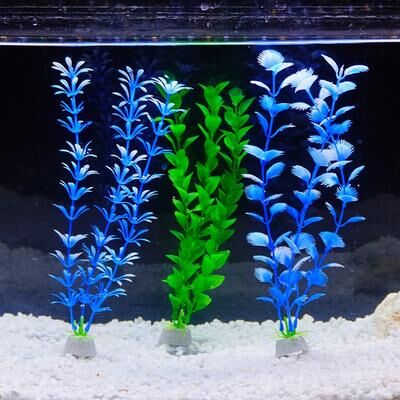
Multisell Products Hub Artificial Aquatic Plants, Green Grass For Aquarium Landscaping Decor 3pcs 25cmTransform Your Aquarium with Artificial Aquatic Plants Bring life to your fish tank with 3 pcs Artificial Plastic Green Grass Aquatic Plants. Crafted from durable, highquality plastic, these plants offer a realistic look while maintaining...34,97 $*Shipping: 0,00 $Secure redirect to the provider
-
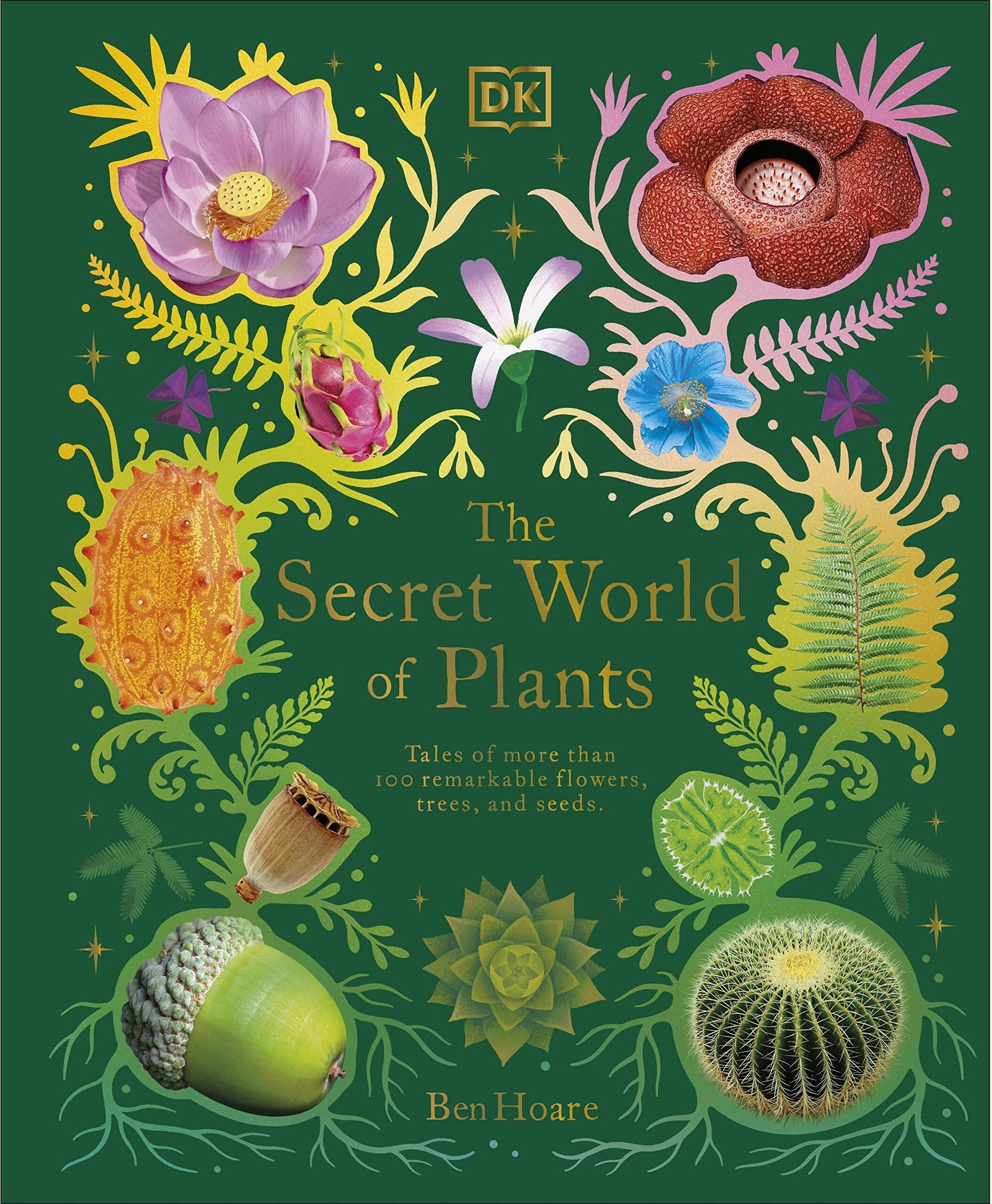
DK Children The Secret World of Plants: Tales of More Than 100 Remarkable Flowers, Trees, and Seeds by Ben Hoare (DK Treasures)A timeless treasury of more than 100 stories from the incredible kingdom of plants, told by author and nature expert Ben Hoare. Plants are found almost everywhere on Earth, but to many people, their lives are a mystery. Learn how seagrass flowers underwater, how the Venus flytrap counts to make sure it catches its prey, and why some tulips used to cost more than a house! This fascinating book for kids explores the vast plant kingdom and explains how plants work, as well as the weird and wonderful relationships they have with animals. Children can discover the secrets of more than 100 amazing plants in this treasury of fascinating flora, as well as the essentials of plant science, including photosynthesis, pollination, and germination. Each species is shown with remarkable photography and beautiful illustrations, all brought to life by Ben Hoare's writing, filled with charm and infectious enthusiasm. This nature book for children ages 7+ features:- An eye-catching holographic cover, gilded edges, and stunning photography and illustrations, making it the perfect gift - A wide range of incredible plants and trees from all around the world- Illustrated diagrams to support definitions of different types of plants - Introductory reference pages that explain key topics such as photosynthesisThis book is a must for any child interested in the natural world and the plants that grow in it. Plants provide us with food, fuel, and medicine, and without them, life as we know it would not exist. From orchids that grow vanilla pods to leaves that look like stones, and from bamboo that can be made into clothes to moss that soaks up vast amounts of carbon dioxide, plants shape our world in an endless variety of ways.13,99 £*Shipping: 2,99 £Secure redirect to the provider


-
Which flowers are not eaten by snails?
Snails tend to avoid eating flowers with strong scents or textures that are unappealing to them. Some flowers that are less likely to be eaten by snails include marigolds, geraniums, lavender, and begonias. These flowers often have strong scents or fuzzy textures that deter snails from feeding on them. **
-
For which plants are snails not poisonous?
Snails are not poisonous to most plants, but they do have a preference for certain types of vegetation. Snails tend to avoid plants with tough or hairy leaves, as well as those with strong scents or flavors. Some examples of plants that snails are less likely to eat include lavender, rosemary, sage, and plants with thick, waxy leaves like succulents. However, it's important to note that snails may still eat these plants if they are particularly hungry or if other food sources are scarce. **
-
What do you do during a student internship in landscaping and gardening (gardening and landscaping/gardening)?
During a student internship in landscaping and gardening, you would typically assist with various tasks such as planting, weeding, watering, and pruning plants. You may also help with landscape design, installation of hardscape features, and maintenance of outdoor spaces. Additionally, you may have the opportunity to learn about soil preparation, pest control, and proper use of gardening tools and equipment. Overall, the internship provides hands-on experience in all aspects of landscaping and gardening, allowing you to gain valuable skills and knowledge in the field. **
-
Does gardening mainly consist of throwing the snails to the neighbor?
No, gardening does not mainly consist of throwing snails to the neighbor. While snails can be a common pest in gardens, there are many other aspects to gardening such as planting, watering, weeding, and harvesting. There are also various methods for controlling snails in the garden that do not involve throwing them at the neighbor, such as using barriers, traps, or natural predators. **

Do predatory snails also eat larger snails?
Yes, predatory snails are known to eat larger snails. They are opportunistic feeders and will consume a variety of prey, including larger snails if given the chance. Predatory snails use their radula, a specialized feeding organ, to rasp and consume the soft tissues of their prey, including larger snails. This behavior helps regulate the population of snails in their environment. **
Do naked snails eat other naked snails?
Naked snails do not typically eat other naked snails. They are herbivorous creatures that primarily feed on plant matter such as leaves, fruits, and vegetables. While they may occasionally come into contact with other snails, their natural diet does not include consuming other snails. However, in certain situations where food is scarce, or if they are kept in crowded or stressful conditions, they may exhibit cannibalistic behavior. **
Top-Angebote
Products related to Snails:
-
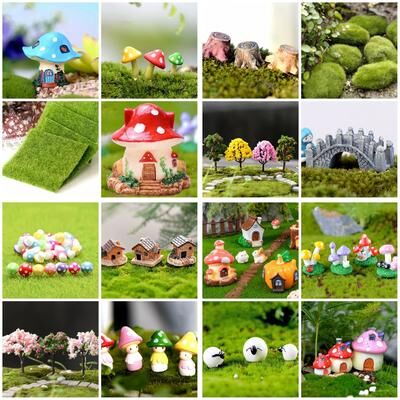
Inspire Select Enchanted Mini Fairy Garden Figurines Set Whimsical DIY Fairy Garden Accessories For Miniature Landscaping & Dollhouse mushroom Snails 1 PcBring a touch of magic to your space and transform ordinary corners into enchanting storybook scenes. These beautifully crafted DIY fairy garden accessories are perfect for anyone who loves creativity, natureinspired dcor, or miniature worlds....50,98 $*Shipping: 0,00 $Secure redirect to the provider
-
Chronicle Books Floret Farms A Year in Flowers Book – Flower Arranging & Gardening CollectionNEW YORK TIMES BESTSELLERWALL STREET JOURNAL BESTSELLER Learn how to buy, style, and present seasonal flower arrangements for every occasion. With sections on tools, flower care, and design techniques, Floret Farm's A Year in Flowers presents all the secrets to arranging garden-fresh bouquets. Featuring expert advice from Erin Benzakein, world-renowned flower farmer, floral designer, and bestselling author of Floret Farm: Cut Flower Garden, this book is a gorgeous and comprehensive guide to everything you need to make your own incredible arrangements all year long, whether harvesting flowers from the backyard or shopping for blooms at the market.* Includes an A-Z flower guide with photos and care tips for more than 200 varieties. * Simple-to-follow advice on flower care, material selection, and essential design techniques* More than 25 how-to projects, including magnificent centerpieces, infinitely giftable posies, festive wreaths, and breathtaking bridal bouquetsFloret Farm's A Year in Flowers offers advice on every phase of working with cut flowers-including gardening, buying, caring for, and arranging fresh flowers. Brimming with indispensable tips and hundreds of vibrant photographs, this book is an invitation to live a flower-filled life and the perfect gift for anyone who loves flowers.* The definitive guide to flower arranging from the biggest star in the farm-to-centerpiece movement* Perfect to gift for flower lovers, avid and novice gardeners, floral designers, wedding planners, florists, small farmers, stylists, designers, crafters, and those passionate about the local floral movement* For those who loved Floret Farm's Cut Flower Garden by Erin Benzakein, The Flower Recipe Book by Alethea Harampol13,50 £*Shipping: 2,99 £Secure redirect to the provider
-
Inspire Curations Premium White Polished Pebbles Natural Decorative Stones For Aquarium, Plants & Landscaping 800gElevate your space with the clean, calming beauty of these white decorative pebbles. Designed for both indoor and outdoor styling, these smooth stones instantly brighten any setupfrom aquariums to plant pots and garden paths. Their polished finish...130,50 $*Shipping: 0,00 $Secure redirect to the provider
-
Which flowers do snails not eat?
Snails tend to avoid eating flowers with strong scents, prickly or fuzzy textures, or toxic properties. Some examples of flowers that snails typically avoid include daffodils, lavender, geraniums, and poppies. These flowers have characteristics that make them unappealing or harmful to snails, helping to protect them from being eaten. **
-
What now, if snails have eaten flowers?
If snails have eaten the flowers, it is important to take action to prevent further damage. One option is to remove the snails from the area and relocate them to a different location. Additionally, you can try using natural deterrents such as crushed eggshells or copper tape to keep the snails away from the flowers. It is also a good idea to regularly inspect the plants for any signs of snail activity and take prompt action to protect them. **
-
Which flowers are not eaten by snails?
Snails tend to avoid eating flowers with strong scents or textures that are unappealing to them. Some flowers that are less likely to be eaten by snails include marigolds, geraniums, lavender, and begonias. These flowers often have strong scents or fuzzy textures that deter snails from feeding on them. **
-
For which plants are snails not poisonous?
Snails are not poisonous to most plants, but they do have a preference for certain types of vegetation. Snails tend to avoid plants with tough or hairy leaves, as well as those with strong scents or flavors. Some examples of plants that snails are less likely to eat include lavender, rosemary, sage, and plants with thick, waxy leaves like succulents. However, it's important to note that snails may still eat these plants if they are particularly hungry or if other food sources are scarce. **
Similar search terms for Snails
-
Multisell Products Hub Artificial Aquatic Plants, Green Grass For Aquarium Landscaping Decor 3pcs 25cmTransform Your Aquarium with Artificial Aquatic Plants Bring life to your fish tank with 3 pcs Artificial Plastic Green Grass Aquatic Plants. Crafted from durable, highquality plastic, these plants offer a realistic look while maintaining...34,97 $*Shipping: 0,00 $Secure redirect to the provider
-
DK Children The Secret World of Plants: Tales of More Than 100 Remarkable Flowers, Trees, and Seeds by Ben Hoare (DK Treasures)A timeless treasury of more than 100 stories from the incredible kingdom of plants, told by author and nature expert Ben Hoare. Plants are found almost everywhere on Earth, but to many people, their lives are a mystery. Learn how seagrass flowers underwater, how the Venus flytrap counts to make sure it catches its prey, and why some tulips used to cost more than a house! This fascinating book for kids explores the vast plant kingdom and explains how plants work, as well as the weird and wonderful relationships they have with animals. Children can discover the secrets of more than 100 amazing plants in this treasury of fascinating flora, as well as the essentials of plant science, including photosynthesis, pollination, and germination. Each species is shown with remarkable photography and beautiful illustrations, all brought to life by Ben Hoare's writing, filled with charm and infectious enthusiasm. This nature book for children ages 7+ features:- An eye-catching holographic cover, gilded edges, and stunning photography and illustrations, making it the perfect gift - A wide range of incredible plants and trees from all around the world- Illustrated diagrams to support definitions of different types of plants - Introductory reference pages that explain key topics such as photosynthesisThis book is a must for any child interested in the natural world and the plants that grow in it. Plants provide us with food, fuel, and medicine, and without them, life as we know it would not exist. From orchids that grow vanilla pods to leaves that look like stones, and from bamboo that can be made into clothes to moss that soaks up vast amounts of carbon dioxide, plants shape our world in an endless variety of ways.13,99 £*Shipping: 2,99 £Secure redirect to the provider
-
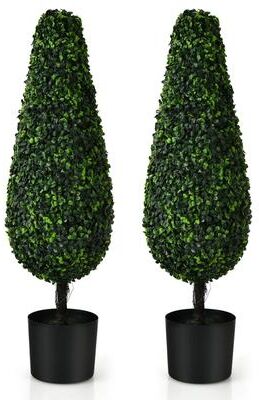
3ft Artificial Boxwood Tower Topiary Trees Decorative Greenery PlantsOur artificial greenery plants are as natural as they were, so lifelike that it is difficult to distinguish them from real flowers and plants. It could bring you fresh feeling from nature at any time of the year.202,99 $*Shipping: 0,00 $Secure redirect to the provider
-
BBC Books RHS How to Garden 3 Book Set – Perennial Plants, Grow Food for Free & Gardening Guide CollectionHow to Garden Perennial Garden Plants, RHS How To Garden (HB), Grow Food for Free (HB) 3 Books Collection Set Alan Titchmarsh How to Garden: Perennial Garden Plants Herbaceous perennials flower each year, dying down in the winter and springing back to life the following spring. They are central features in the landscape of a garden as they appear year-after-year and must be regarded as constant features. This book gives the expert view on the vast array of flowers available. Includes: creative garden ideas and border planting plans practical advice on care, maintenance and propagation illustrated A-Z profiles of recommended plants recommended plants for specific purposes, conditions and effects step-by-step illustrations showing essential techniques Alan Titchmarsh imparts a lifetime of expertise in these definitive guides for beginners and experienced gardeners. Step-by-step illustrations and easy-to-follow instructions guide you through the basic gardening skills and on to the advanced techniques, providing everything you need to create beautiful flower borders in your garden. RHS How To Garden When You're New To Gardening: The Basics For Absolute Beginners (Hardback) If the desire to start a garden has been planted in your heart, then this essential guide is a wonderful companion to accompany you on your new adventure! If you're not sure of the first steps to take, this handbook takes the anxiety out of plotting and planting and equips you with all the know-how and confidence you need to get digging into your garden. Creating a garden that you can enjoy and keep looking beautiful all year round is easier than you think!With the expertise of the Royal Horticultural Society, you'll find simple step-by-step instructions, with clear images to help you create your dream garden, no matter the size and scale. Get to know your garden and choose plants that will grow well in particular soil types and conditions year after year. From growing root crop to cutting back ivy, this book gives you lots of simple garden ideas and projects that you can do yourself. Even if you've never sowed a seed or pulled a weed, RHS How to Garden When You're New To Gardening contains everything you need to kickstart your new outdoor hobby! This refreshingly accessible book is perfect for the novice gardener who wants to make the most of whatever garden they have. Your Guide to Creating the Garden of Your Dreams Do you want to create a garden you can show off with pride? Would you like to grow your own food? This book will get you started quickly! By following the simple steps and projects outlined in this book, you will reap instant rewards and long-term successes so that you can enjoy your garden in all seasons. Inside the pages of this comprehensive gardening book, you'll discover: - Clear definitions and descriptions of the different types of plants. - Tips on choosing the type of garden you want. - Easy-to-follow instructions for choosing the right plants for your soil....14,99 £*Shipping: 2,99 £Secure redirect to the provider
-
What do you do during a student internship in landscaping and gardening (gardening and landscaping/gardening)?
During a student internship in landscaping and gardening, you would typically assist with various tasks such as planting, weeding, watering, and pruning plants. You may also help with landscape design, installation of hardscape features, and maintenance of outdoor spaces. Additionally, you may have the opportunity to learn about soil preparation, pest control, and proper use of gardening tools and equipment. Overall, the internship provides hands-on experience in all aspects of landscaping and gardening, allowing you to gain valuable skills and knowledge in the field. **
-
Does gardening mainly consist of throwing the snails to the neighbor?
No, gardening does not mainly consist of throwing snails to the neighbor. While snails can be a common pest in gardens, there are many other aspects to gardening such as planting, watering, weeding, and harvesting. There are also various methods for controlling snails in the garden that do not involve throwing them at the neighbor, such as using barriers, traps, or natural predators. **
-
Do predatory snails also eat larger snails?
Yes, predatory snails are known to eat larger snails. They are opportunistic feeders and will consume a variety of prey, including larger snails if given the chance. Predatory snails use their radula, a specialized feeding organ, to rasp and consume the soft tissues of their prey, including larger snails. This behavior helps regulate the population of snails in their environment. **
-
Do naked snails eat other naked snails?
Naked snails do not typically eat other naked snails. They are herbivorous creatures that primarily feed on plant matter such as leaves, fruits, and vegetables. While they may occasionally come into contact with other snails, their natural diet does not include consuming other snails. However, in certain situations where food is scarce, or if they are kept in crowded or stressful conditions, they may exhibit cannibalistic behavior. **
* All prices are inclusive of VAT and, if applicable, plus shipping costs. The offer information is based on the details provided by the respective shop and is updated through automated processes. Real-time updates do not occur, so deviations can occur in individual cases. ** Note: Parts of this content were created by AI.