Buy baumschulen.eu ?
We are moving the project
baumschulen.eu .
Are you interested in purchasing the domain
baumschulen.eu ?
domain@kv-gmbh.de · 0541-91531010
Buy baumschulen.eu ?
Is mango wood weatherproof?
Mango wood is not inherently weatherproof. It is a hardwood that can withstand some exposure to the elements, but it is not recommended for prolonged outdoor use without proper protection and maintenance. To make mango wood weatherproof, it would need to be treated with a weather-resistant finish or sealant. **
Which color goes well with mango wood?
Earth tones such as beige, cream, brown, and olive green tend to complement mango wood nicely. Additionally, warm tones like rust, terracotta, and mustard yellow can also pair well with mango wood to create a cozy and inviting aesthetic. **
Similar search terms for Classic-Cuisine-Mango-Wood
Top-Angebote
Products related to Classic-Cuisine-Mango-Wood:
-
Classic Home Rogers Mango Wood Curio CabinetCrafted from rich mango wood with smooth, rounded edges, this cabinet features striking tempered glass windows that offer a subtle glimpse of your displayed items. Elegant gold handles elevate the design with a touch of luxury.2199,00 $*Shipping: 0,00 $Secure redirect to the provider
-
Classic Home Adir Solid Mango Wood DeskCrafted from solid mango wood, this sculptural desk blends artful form with everyday function. Its bold, rounded legs create a striking silhouette, while a hidden side cabinet with shelving keeps essentials neatly stored.1999,00 $*Shipping: 0,00 $Secure redirect to the provider


-
Do mango trees grow in Germany?
No, mango trees do not grow in Germany. Mango trees require a tropical climate with warm temperatures and high humidity to thrive, which is not typically found in Germany's temperate climate. Mango trees are native to South Asia and are commonly grown in tropical and subtropical regions around the world. **
-
Can I use Ponal Classic wood glue to also bond wood and fiberglass?
Ponal Classic wood glue is specifically designed for bonding wood surfaces together. While it may provide some adhesion to fiberglass, it is not the best choice for bonding wood and fiberglass together. For a stronger and more reliable bond between wood and fiberglass, it is recommended to use an epoxy resin or a specialized adhesive designed for bonding these two materials. These products are formulated to provide a strong and durable bond between wood and fiberglass surfaces. **
-
Why do mango trees have brown leaves?
Mango trees may have brown leaves due to various reasons such as nutrient deficiencies, overwatering, underwatering, pests, diseases, or environmental stress. Nutrient deficiencies, particularly of iron or magnesium, can cause the leaves to turn brown. Overwatering or underwatering can also lead to stress and browning of the leaves. Additionally, pests like mites or diseases like anthracnose can cause discoloration of the leaves. Lastly, environmental stressors such as extreme temperatures or poor soil quality can also result in brown leaves on mango trees. **
-
What are sticky mango plants and small flies?
Sticky mango plants are mango trees that produce a sticky substance called honeydew, which is excreted by small insects called aphids as they feed on the plant's sap. This sticky substance can attract small flies, such as fruit flies, fungus gnats, or vinegar flies, which are drawn to the sweet and sticky honeydew. These small flies can become a nuisance for gardeners and homeowners, as they may infest the area around the mango plants and can be difficult to control. **

What could be wrong with my mango plants?
There are several potential issues that could be affecting your mango plants. Some common problems include nutrient deficiencies, such as a lack of nitrogen, potassium, or magnesium, which can cause yellowing of the leaves. Pests like aphids, scales, or mites can also infest mango plants and cause damage. Additionally, diseases such as anthracnose, powdery mildew, or root rot can affect the health of mango plants. It's important to carefully inspect your plants for any signs of these issues and take appropriate measures to address them, such as providing the necessary nutrients, using pest control methods, or applying fungicides. **
Is East Asian cuisine more varied than European cuisine?
Both East Asian and European cuisines are incredibly varied, with each region offering a wide range of flavors, ingredients, and cooking techniques. East Asian cuisine encompasses the diverse culinary traditions of countries such as China, Japan, Korea, and Thailand, each with its own unique dishes and flavors. Similarly, European cuisine is incredibly varied, with distinct culinary traditions in countries like Italy, France, Spain, and Greece. Ultimately, the variety of both East Asian and European cuisines is a result of the rich diversity of ingredients, cooking methods, and cultural influences found within each region. **
Top-Angebote
Products related to Classic-Cuisine-Mango-Wood:
-
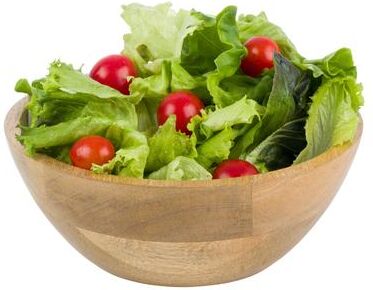
Classic Cuisine Mango Wood Serving Bowl Natural"""Add natural warmth and functionality to your home with this solid mango wood serving bowl. The versatile design is ideal for serving salads, bread, snacks, or displaying fruit and decorative accents on tables, shelves, and countertops."22,99 $*Shipping: 0,00 $Secure redirect to the provider
-
Is mango wood weatherproof?
Mango wood is not inherently weatherproof. It is a hardwood that can withstand some exposure to the elements, but it is not recommended for prolonged outdoor use without proper protection and maintenance. To make mango wood weatherproof, it would need to be treated with a weather-resistant finish or sealant. **
-
Which color goes well with mango wood?
Earth tones such as beige, cream, brown, and olive green tend to complement mango wood nicely. Additionally, warm tones like rust, terracotta, and mustard yellow can also pair well with mango wood to create a cozy and inviting aesthetic. **
-
Do mango trees grow in Germany?
No, mango trees do not grow in Germany. Mango trees require a tropical climate with warm temperatures and high humidity to thrive, which is not typically found in Germany's temperate climate. Mango trees are native to South Asia and are commonly grown in tropical and subtropical regions around the world. **
-
Can I use Ponal Classic wood glue to also bond wood and fiberglass?
Ponal Classic wood glue is specifically designed for bonding wood surfaces together. While it may provide some adhesion to fiberglass, it is not the best choice for bonding wood and fiberglass together. For a stronger and more reliable bond between wood and fiberglass, it is recommended to use an epoxy resin or a specialized adhesive designed for bonding these two materials. These products are formulated to provide a strong and durable bond between wood and fiberglass surfaces. **
Similar search terms for Classic-Cuisine-Mango-Wood
-
Classic Home Rogers Mango Wood Curio CabinetCrafted from rich mango wood with smooth, rounded edges, this cabinet features striking tempered glass windows that offer a subtle glimpse of your displayed items. Elegant gold handles elevate the design with a touch of luxury.2199,00 $*Shipping: 0,00 $Secure redirect to the provider
-
Classic Home Adir Solid Mango Wood DeskCrafted from solid mango wood, this sculptural desk blends artful form with everyday function. Its bold, rounded legs create a striking silhouette, while a hidden side cabinet with shelving keeps essentials neatly stored.1999,00 $*Shipping: 0,00 $Secure redirect to the provider
-
Bella Maison Flowers Carved Mango Wood Decorative BowlDecorative bowl handcrafted from natural mango wood Features detailed flower carvings for an artisanal touch Ideal as a centerpiece or decorative accent for tables and consoles Showcases the unique grain and tone variations of mango wood Dimensions:…30,99 $*Shipping: 0,00 $Secure redirect to the provider
-
Why do mango trees have brown leaves?
Mango trees may have brown leaves due to various reasons such as nutrient deficiencies, overwatering, underwatering, pests, diseases, or environmental stress. Nutrient deficiencies, particularly of iron or magnesium, can cause the leaves to turn brown. Overwatering or underwatering can also lead to stress and browning of the leaves. Additionally, pests like mites or diseases like anthracnose can cause discoloration of the leaves. Lastly, environmental stressors such as extreme temperatures or poor soil quality can also result in brown leaves on mango trees. **
-
What are sticky mango plants and small flies?
Sticky mango plants are mango trees that produce a sticky substance called honeydew, which is excreted by small insects called aphids as they feed on the plant's sap. This sticky substance can attract small flies, such as fruit flies, fungus gnats, or vinegar flies, which are drawn to the sweet and sticky honeydew. These small flies can become a nuisance for gardeners and homeowners, as they may infest the area around the mango plants and can be difficult to control. **
-
What could be wrong with my mango plants?
There are several potential issues that could be affecting your mango plants. Some common problems include nutrient deficiencies, such as a lack of nitrogen, potassium, or magnesium, which can cause yellowing of the leaves. Pests like aphids, scales, or mites can also infest mango plants and cause damage. Additionally, diseases such as anthracnose, powdery mildew, or root rot can affect the health of mango plants. It's important to carefully inspect your plants for any signs of these issues and take appropriate measures to address them, such as providing the necessary nutrients, using pest control methods, or applying fungicides. **
-
Is East Asian cuisine more varied than European cuisine?
Both East Asian and European cuisines are incredibly varied, with each region offering a wide range of flavors, ingredients, and cooking techniques. East Asian cuisine encompasses the diverse culinary traditions of countries such as China, Japan, Korea, and Thailand, each with its own unique dishes and flavors. Similarly, European cuisine is incredibly varied, with distinct culinary traditions in countries like Italy, France, Spain, and Greece. Ultimately, the variety of both East Asian and European cuisines is a result of the rich diversity of ingredients, cooking methods, and cultural influences found within each region. **
* All prices are inclusive of VAT and, if applicable, plus shipping costs. The offer information is based on the details provided by the respective shop and is updated through automated processes. Real-time updates do not occur, so deviations can occur in individual cases. ** Note: Parts of this content were created by AI.