Buy baumschulen.eu ?
We are moving the project
baumschulen.eu .
Are you interested in purchasing the domain
baumschulen.eu ?
domain@kv-gmbh.de · 0541-91531010
Buy baumschulen.eu ?
How do catalysts work?
Catalysts work by providing an alternative pathway for a chemical reaction to occur, which lowers the activation energy required for the reaction to proceed. This allows the reaction to occur more readily and at a faster rate. Catalysts themselves are not consumed in the reaction and can be used repeatedly, making them highly efficient in promoting chemical reactions. They can also increase the selectivity of a reaction, favoring the formation of a specific product. **
What are biological catalysts?
Biological catalysts, also known as enzymes, are proteins that speed up chemical reactions in living organisms. They do this by lowering the activation energy required for a reaction to occur, allowing it to happen more quickly. Enzymes are highly specific, meaning each one is designed to catalyze a specific reaction. They play a crucial role in metabolism, digestion, and many other biological processes. **

Similar search terms for Catalysts
Top-Angebote
Products related to Catalysts:
-
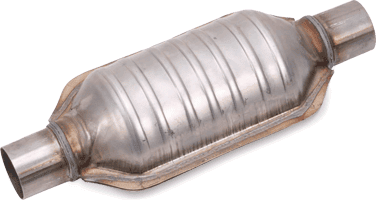
BM CATALYSTS BM80482H Catalytic converterGuarantee: 2 years guarantee; Material: Ceramic; only in connection with: FK80482; Product fulfils: Euro 4; Test Mark: E9-103R; Supplementary Info: Non-approved; Vehicle Equipment: for vehicles without diesel particulate filter (DPF); Emissions Standard: Up to Euro 4; Construction Year to: 05/2010; Construction Year from: 09/2008346,99 £*Shipping: 1,99 £Secure redirect to the provider
-
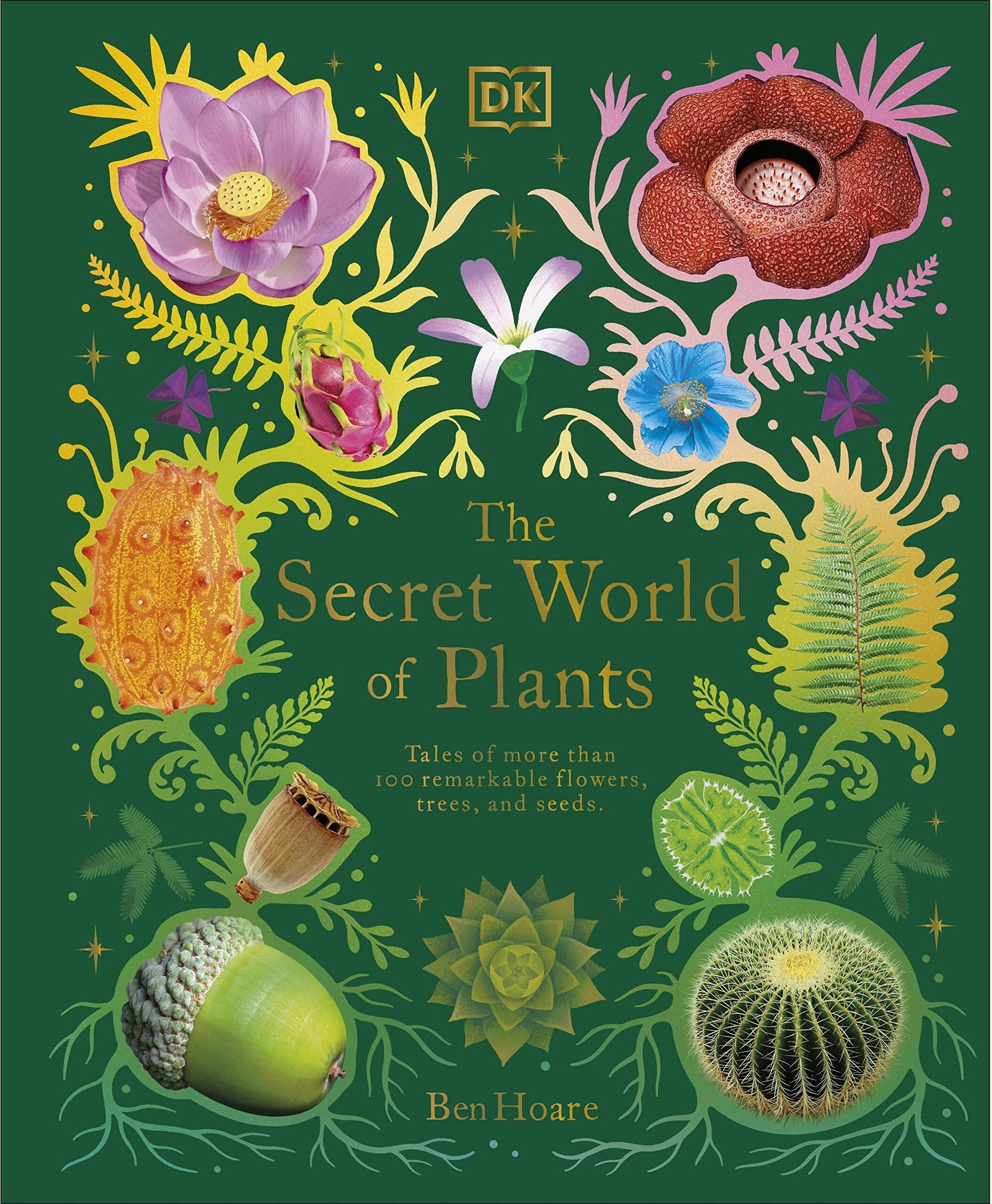
DK Children The Secret World of Plants: Tales of More Than 100 Remarkable Flowers, Trees, and Seeds by Ben Hoare (DK Treasures)A timeless treasury of more than 100 stories from the incredible kingdom of plants, told by author and nature expert Ben Hoare. Plants are found almost everywhere on Earth, but to many people, their lives are a mystery. Learn how seagrass flowers underwater, how the Venus flytrap counts to make sure it catches its prey, and why some tulips used to cost more than a house! This fascinating book for kids explores the vast plant kingdom and explains how plants work, as well as the weird and wonderful relationships they have with animals. Children can discover the secrets of more than 100 amazing plants in this treasury of fascinating flora, as well as the essentials of plant science, including photosynthesis, pollination, and germination. Each species is shown with remarkable photography and beautiful illustrations, all brought to life by Ben Hoare's writing, filled with charm and infectious enthusiasm. This nature book for children ages 7+ features:- An eye-catching holographic cover, gilded edges, and stunning photography and illustrations, making it the perfect gift - A wide range of incredible plants and trees from all around the world- Illustrated diagrams to support definitions of different types of plants - Introductory reference pages that explain key topics such as photosynthesisThis book is a must for any child interested in the natural world and the plants that grow in it. Plants provide us with food, fuel, and medicine, and without them, life as we know it would not exist. From orchids that grow vanilla pods to leaves that look like stones, and from bamboo that can be made into clothes to moss that soaks up vast amounts of carbon dioxide, plants shape our world in an endless variety of ways.13,99 £*Shipping: 2,99 £Secure redirect to the provider


-
Can catalysts be sold?
Yes, catalysts can be sold. Catalysts are valuable materials used in various industries such as chemical manufacturing, petroleum refining, and environmental protection. Companies that produce catalysts often sell them to other businesses that require these materials to facilitate chemical reactions or processes. The sale of catalysts is a common practice in the commercial market. **
-
Are catalysts highly reactive substances?
Catalysts are not highly reactive substances themselves. Instead, they work by providing an alternative pathway for chemical reactions to occur more easily and quickly, without being consumed in the process. This means that catalysts can increase the rate of a reaction without being permanently altered or used up, making them valuable tools in various industrial processes. **
-
Are catalysts very reactive substances?
Catalysts are not typically very reactive substances themselves. Instead, they work by providing an alternative pathway for a chemical reaction to occur more easily and quickly, without being consumed in the process. This means that catalysts can facilitate reactions without undergoing significant changes themselves, making them efficient and effective in promoting chemical reactions. **
-
Can you give examples of catalysts?
Sure! Some common examples of catalysts include enzymes in biological systems, such as the digestive enzymes in our stomach that help break down food. In industrial processes, catalysts like platinum and palladium are used in catalytic converters to convert harmful gases into less harmful substances in car exhaust. Additionally, in the production of chemicals, catalysts like nickel and iron are used to speed up reactions and increase efficiency. **


What are the properties of catalysts?
Catalysts are substances that can speed up a chemical reaction without being consumed in the process. They work by providing an alternative pathway for the reaction to occur, lowering the activation energy required for the reaction to take place. Catalysts can be specific to certain reactions and are often highly selective, meaning they only catalyze specific reactions. Additionally, catalysts can be used in small amounts and can be reused multiple times, making them cost-effective and environmentally friendly. **
What do you do during a student internship in landscaping and gardening (gardening and landscaping/gardening)?
During a student internship in landscaping and gardening, you would typically assist with various tasks such as planting, weeding, watering, and pruning plants. You may also help with landscape design, installation of hardscape features, and maintenance of outdoor spaces. Additionally, you may have the opportunity to learn about soil preparation, pest control, and proper use of gardening tools and equipment. Overall, the internship provides hands-on experience in all aspects of landscaping and gardening, allowing you to gain valuable skills and knowledge in the field. **
Top-Angebote
Products related to Catalysts:
-
BM CATALYSTS BM91965H Catalytic converterGuarantee: 2 years guarantee; Material: Ceramic; only in connection with: FK91965; Product fulfils: Euro 4; Test Mark: E57-103R; Fitting Position: Front; TecDoc Engine Number: 18008, 18968; Emissions Standard: Up to Euro 4; Construction Year to: 06/2008, 08/2009345,99 £*Shipping: 1,99 £Secure redirect to the provider
-
BM CATALYSTS BM90780H Catalytic converterGuarantee: 2 years guarantee; Material: Ceramic; only in connection with: FK90780; Product fulfils: Euro 2; Test Mark: E9-103R; Supplementary Info: Non-approved; Construction Year to: 10/2000; TecDoc Engine Number: 4396; Vehicle Equipment: for vehicles without OBD; Emissions Standard: Up to Euro 2191,99 £*Shipping: 1,99 £Secure redirect to the provider
-
BM CATALYSTS BM80482H Catalytic converterGuarantee: 2 years guarantee; Material: Ceramic; only in connection with: FK80482; Product fulfils: Euro 4; Test Mark: E9-103R; Supplementary Info: Non-approved; Vehicle Equipment: for vehicles without diesel particulate filter (DPF); Emissions Standard: Up to Euro 4; Construction Year to: 05/2010; Construction Year from: 09/2008346,99 £*Shipping: 1,99 £Secure redirect to the provider
-
How do catalysts work?
Catalysts work by providing an alternative pathway for a chemical reaction to occur, which lowers the activation energy required for the reaction to proceed. This allows the reaction to occur more readily and at a faster rate. Catalysts themselves are not consumed in the reaction and can be used repeatedly, making them highly efficient in promoting chemical reactions. They can also increase the selectivity of a reaction, favoring the formation of a specific product. **
-
What are biological catalysts?
Biological catalysts, also known as enzymes, are proteins that speed up chemical reactions in living organisms. They do this by lowering the activation energy required for a reaction to occur, allowing it to happen more quickly. Enzymes are highly specific, meaning each one is designed to catalyze a specific reaction. They play a crucial role in metabolism, digestion, and many other biological processes. **
-
Can catalysts be sold?
Yes, catalysts can be sold. Catalysts are valuable materials used in various industries such as chemical manufacturing, petroleum refining, and environmental protection. Companies that produce catalysts often sell them to other businesses that require these materials to facilitate chemical reactions or processes. The sale of catalysts is a common practice in the commercial market. **
-
Are catalysts highly reactive substances?
Catalysts are not highly reactive substances themselves. Instead, they work by providing an alternative pathway for chemical reactions to occur more easily and quickly, without being consumed in the process. This means that catalysts can increase the rate of a reaction without being permanently altered or used up, making them valuable tools in various industrial processes. **
Similar search terms for Catalysts
-
DK Children The Secret World of Plants: Tales of More Than 100 Remarkable Flowers, Trees, and Seeds by Ben Hoare (DK Treasures)A timeless treasury of more than 100 stories from the incredible kingdom of plants, told by author and nature expert Ben Hoare. Plants are found almost everywhere on Earth, but to many people, their lives are a mystery. Learn how seagrass flowers underwater, how the Venus flytrap counts to make sure it catches its prey, and why some tulips used to cost more than a house! This fascinating book for kids explores the vast plant kingdom and explains how plants work, as well as the weird and wonderful relationships they have with animals. Children can discover the secrets of more than 100 amazing plants in this treasury of fascinating flora, as well as the essentials of plant science, including photosynthesis, pollination, and germination. Each species is shown with remarkable photography and beautiful illustrations, all brought to life by Ben Hoare's writing, filled with charm and infectious enthusiasm. This nature book for children ages 7+ features:- An eye-catching holographic cover, gilded edges, and stunning photography and illustrations, making it the perfect gift - A wide range of incredible plants and trees from all around the world- Illustrated diagrams to support definitions of different types of plants - Introductory reference pages that explain key topics such as photosynthesisThis book is a must for any child interested in the natural world and the plants that grow in it. Plants provide us with food, fuel, and medicine, and without them, life as we know it would not exist. From orchids that grow vanilla pods to leaves that look like stones, and from bamboo that can be made into clothes to moss that soaks up vast amounts of carbon dioxide, plants shape our world in an endless variety of ways.13,99 £*Shipping: 2,99 £Secure redirect to the provider
-
Chronicle Books Floret Farms A Year in Flowers Book – Flower Arranging & Gardening CollectionNEW YORK TIMES BESTSELLERWALL STREET JOURNAL BESTSELLER Learn how to buy, style, and present seasonal flower arrangements for every occasion. With sections on tools, flower care, and design techniques, Floret Farm's A Year in Flowers presents all the secrets to arranging garden-fresh bouquets. Featuring expert advice from Erin Benzakein, world-renowned flower farmer, floral designer, and bestselling author of Floret Farm: Cut Flower Garden, this book is a gorgeous and comprehensive guide to everything you need to make your own incredible arrangements all year long, whether harvesting flowers from the backyard or shopping for blooms at the market.* Includes an A-Z flower guide with photos and care tips for more than 200 varieties. * Simple-to-follow advice on flower care, material selection, and essential design techniques* More than 25 how-to projects, including magnificent centerpieces, infinitely giftable posies, festive wreaths, and breathtaking bridal bouquetsFloret Farm's A Year in Flowers offers advice on every phase of working with cut flowers-including gardening, buying, caring for, and arranging fresh flowers. Brimming with indispensable tips and hundreds of vibrant photographs, this book is an invitation to live a flower-filled life and the perfect gift for anyone who loves flowers.* The definitive guide to flower arranging from the biggest star in the farm-to-centerpiece movement* Perfect to gift for flower lovers, avid and novice gardeners, floral designers, wedding planners, florists, small farmers, stylists, designers, crafters, and those passionate about the local floral movement* For those who loved Floret Farm's Cut Flower Garden by Erin Benzakein, The Flower Recipe Book by Alethea Harampol13,50 £*Shipping: 2,99 £Secure redirect to the provider
-
3ft Artificial Boxwood Tower Topiary Trees Decorative Greenery PlantsOur artificial greenery plants are as natural as they were, so lifelike that it is difficult to distinguish them from real flowers and plants. It could bring you fresh feeling from nature at any time of the year.202,99 $*Shipping: 0,00 $Secure redirect to the provider
-
Are catalysts very reactive substances?
Catalysts are not typically very reactive substances themselves. Instead, they work by providing an alternative pathway for a chemical reaction to occur more easily and quickly, without being consumed in the process. This means that catalysts can facilitate reactions without undergoing significant changes themselves, making them efficient and effective in promoting chemical reactions. **
-
Can you give examples of catalysts?
Sure! Some common examples of catalysts include enzymes in biological systems, such as the digestive enzymes in our stomach that help break down food. In industrial processes, catalysts like platinum and palladium are used in catalytic converters to convert harmful gases into less harmful substances in car exhaust. Additionally, in the production of chemicals, catalysts like nickel and iron are used to speed up reactions and increase efficiency. **
-
What are the properties of catalysts?
Catalysts are substances that can speed up a chemical reaction without being consumed in the process. They work by providing an alternative pathway for the reaction to occur, lowering the activation energy required for the reaction to take place. Catalysts can be specific to certain reactions and are often highly selective, meaning they only catalyze specific reactions. Additionally, catalysts can be used in small amounts and can be reused multiple times, making them cost-effective and environmentally friendly. **
-
What do you do during a student internship in landscaping and gardening (gardening and landscaping/gardening)?
During a student internship in landscaping and gardening, you would typically assist with various tasks such as planting, weeding, watering, and pruning plants. You may also help with landscape design, installation of hardscape features, and maintenance of outdoor spaces. Additionally, you may have the opportunity to learn about soil preparation, pest control, and proper use of gardening tools and equipment. Overall, the internship provides hands-on experience in all aspects of landscaping and gardening, allowing you to gain valuable skills and knowledge in the field. **
* All prices are inclusive of VAT and, if applicable, plus shipping costs. The offer information is based on the details provided by the respective shop and is updated through automated processes. Real-time updates do not occur, so deviations can occur in individual cases. ** Note: Parts of this content were created by AI.