Buy baumschulen.eu ?
We are moving the project
baumschulen.eu .
Are you interested in purchasing the domain
baumschulen.eu ?
domain@kv-gmbh.de · 0541-91531010
Buy baumschulen.eu ?
What do you do during a student internship in landscaping and gardening (gardening and landscaping/gardening)?
During a student internship in landscaping and gardening, you would typically assist with various tasks such as planting, weeding, watering, and pruning plants. You may also help with landscape design, installation of hardscape features, and maintenance of outdoor spaces. Additionally, you may have the opportunity to learn about soil preparation, pest control, and proper use of gardening tools and equipment. Overall, the internship provides hands-on experience in all aspects of landscaping and gardening, allowing you to gain valuable skills and knowledge in the field. **
How deeply do aquarium plants root?
Aquarium plants can root quite deeply, depending on the species. Some plants have shallow root systems that spread out horizontally, while others have deep roots that anchor them firmly in the substrate. The depth of the roots also depends on the type of substrate in the aquarium, with plants in finer substrates often developing deeper roots to anchor themselves securely. Overall, the depth of aquarium plant roots can vary widely depending on the specific plant species and the conditions in the aquarium. **
Similar search terms for Root
Top-Angebote
Products related to Root:
-
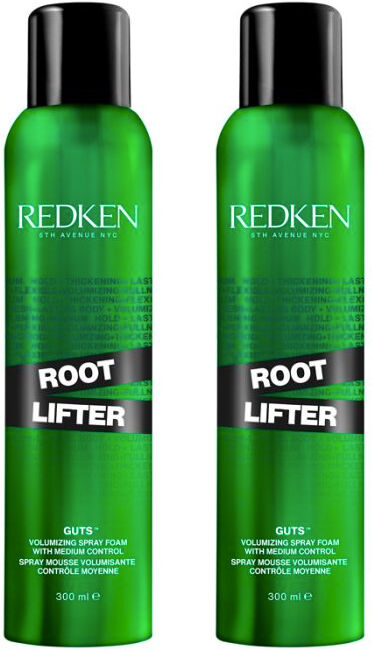
Redken Root Lifting Spray 300ml DoubleStock up and save with this double pack of Redken Root lifting spray a mild nourishing mousse with clean feel technology that creates non-tacky style manipulation and anti frizz control while lasting body and volume rates the body without the tackiness associated with traditional hair lacquer. Ingredients: Aqua / Water, Dimethyl Ether, Vp/Va Copolymer, Isobutane, Butane, Propane, Phenoxyethanol, Peg-14 Dimethicone, Dimethicone Peg-7 Phosphate, Parfum / Fragrance, Ethylhexylglycerin, Sodium Citrate, Polyacrylate-3, Hexyl Cinnamal, Hydroxypropyltrimonium Hydrolyzed Wheat Protein, Benzyl Alcohol, Linalool, Sodium Lauryl Sulfate, Pentaerythrityl Tetra-Di-T-Butyl Hydroxyhydrocinnamate, Tocopherol38,25 £*Shipping: 0,00 £Secure redirect to the provider
-
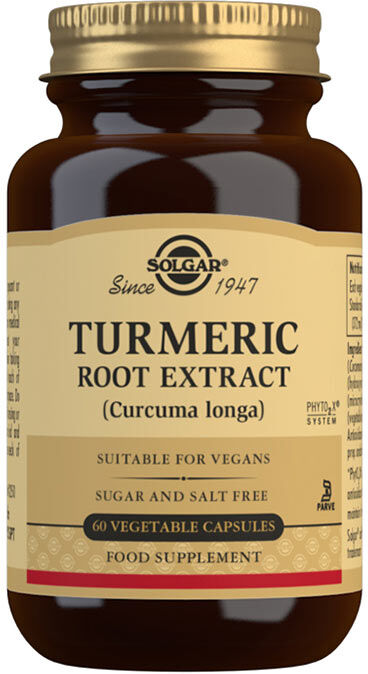
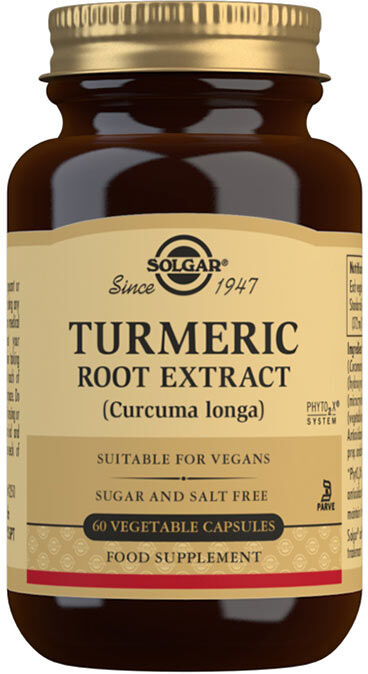
Solgar Turmeric Root ExtractTurmeric Root extract is more than just a culinary ingredients, this spice also has serval health-boosting benefits to it. The spice contains beneficial flavonoids called curcuminoids, which are plant-based antioxidants. These help to fight off cell damaging free radicals in the body. The supplement contains a standardised dose of Turmeric root extract so a consistent dose of the active ingredient will be ingested into the body with every capsule. Ingredients Standardised Turmeric Root Extract (Curcuma longa), Vegetable Capsule Shell: hydroxypropylmethyl cellulose, Bulking Agent: microcrystalline cellulose, Anti-caking Agents: (vegetable magnesium stearate, silicon dioxide), Antioxidant (powdered blend of beta-carotene prep. and ascorbic acid).21,50 £*Shipping: 2,95 £Secure redirect to the provider
-
Which plants grow in the root layer?
Plants that grow in the root layer of a forest ecosystem are typically small herbaceous plants, ferns, and mosses. These plants have shallow root systems that allow them to access nutrients and water from the top layer of soil. They play a crucial role in stabilizing the soil, preventing erosion, and providing habitat for various organisms in the forest ecosystem. Some examples of plants that grow in the root layer include wildflowers, grasses, and ground covers. **
-
Which plants live in the root layer?
Plants that live in the root layer are typically those with shallow root systems, such as grasses, small shrubs, and ground cover plants. These plants are adapted to thrive in the top few inches of soil where nutrients and water are more readily available. They play a crucial role in stabilizing the soil, preventing erosion, and providing habitat for various organisms. **
-
What is a root activator when watering trees?
A root activator is a type of product that is added to the water when watering trees to promote healthy root growth. It typically contains a combination of nutrients, hormones, and beneficial microorganisms that help stimulate root development and improve the tree's ability to absorb water and nutrients from the soil. Root activators can also help trees recover from transplant shock and stress, leading to stronger, more resilient trees. **
-
What do you do to prevent trees and other plants from taking root in the compost?
To prevent trees and other plants from taking root in the compost, I make sure to regularly turn and aerate the compost pile. This helps to disrupt the growth of any potential plants and also helps to break down the organic material more efficiently. Additionally, I avoid adding any seeds or plant material that could potentially sprout in the compost. Lastly, I keep the compost pile covered to prevent seeds from blowing in and taking root. **
How do plants compete in the root zone?
Plants compete in the root zone for essential resources such as water, nutrients, and space. They do this by extending their roots to access these resources and by releasing chemicals that inhibit the growth of neighboring plants. Some plants also have specialized root structures, such as deep taproots or extensive lateral roots, that allow them to outcompete other plants for resources. Additionally, plants may form symbiotic relationships with fungi or bacteria to enhance their ability to compete for resources in the root zone. **
What is better: bare root or container plants when buying plants online?
When buying plants online, both bare root and container plants have their advantages. Bare root plants are often less expensive and easier to ship, making them a cost-effective option. They also tend to establish themselves more quickly once planted. On the other hand, container plants are more convenient as they can be planted at any time of the year and require less immediate attention. They also have a higher survival rate due to their established root systems. Ultimately, the choice between bare root and container plants depends on the specific needs and preferences of the buyer. **
Top-Angebote
Products related to Root:
-
Solgar Turmeric Root ExtractTurmeric Root extract is more than just a culinary ingredients, this spice also has serval health-boosting benefits to it. The spice contains beneficial flavonoids called curcuminoids, which are plant-based antioxidants. These help to fight off cell damaging free radicals in the body. The supplement contains a standardised dose of Turmeric root extract so a consistent dose of the active ingredient will be ingested into the body with every capsule. Ingredients Standardised Turmeric Root Extract (Curcuma longa), Vegetable Capsule Shell: hydroxypropylmethyl cellulose, Bulking Agent: microcrystalline cellulose, Anti-caking Agents: (vegetable magnesium stearate, silicon dioxide), Antioxidant (powdered blend of beta-carotene prep. and ascorbic acid).21,50 £*Shipping: 2,95 £Secure redirect to the provider
-
Redken Root Lifting Spray 300ml DoubleStock up and save with this double pack of Redken Root lifting spray a mild nourishing mousse with clean feel technology that creates non-tacky style manipulation and anti frizz control while lasting body and volume rates the body without the tackiness associated with traditional hair lacquer. Ingredients: Aqua / Water, Dimethyl Ether, Vp/Va Copolymer, Isobutane, Butane, Propane, Phenoxyethanol, Peg-14 Dimethicone, Dimethicone Peg-7 Phosphate, Parfum / Fragrance, Ethylhexylglycerin, Sodium Citrate, Polyacrylate-3, Hexyl Cinnamal, Hydroxypropyltrimonium Hydrolyzed Wheat Protein, Benzyl Alcohol, Linalool, Sodium Lauryl Sulfate, Pentaerythrityl Tetra-Di-T-Butyl Hydroxyhydrocinnamate, Tocopherol38,25 £*Shipping: 0,00 £Secure redirect to the provider
-
Solgar Turmeric Root ExtractTurmeric Root extract is more than just a culinary ingredients, this spice also has serval health-boosting benefits to it. The spice contains beneficial flavonoids called curcuminoids, which are plant-based antioxidants. These help to fight off cell damaging free radicals in the body. The supplement contains a standardised dose of Turmeric root extract so a consistent dose of the active ingredient will be ingested into the body with every capsule. Ingredients Standardised Turmeric Root Extract (Curcuma longa), Vegetable Capsule Shell: hydroxypropylmethyl cellulose, Bulking Agent: microcrystalline cellulose, Anti-caking Agents: (vegetable magnesium stearate, silicon dioxide), Antioxidant (powdered blend of beta-carotene prep. and ascorbic acid).21,50 £*Shipping: 2,95 £Secure redirect to the provider
-
What do you do during a student internship in landscaping and gardening (gardening and landscaping/gardening)?
During a student internship in landscaping and gardening, you would typically assist with various tasks such as planting, weeding, watering, and pruning plants. You may also help with landscape design, installation of hardscape features, and maintenance of outdoor spaces. Additionally, you may have the opportunity to learn about soil preparation, pest control, and proper use of gardening tools and equipment. Overall, the internship provides hands-on experience in all aspects of landscaping and gardening, allowing you to gain valuable skills and knowledge in the field. **
-
How deeply do aquarium plants root?
Aquarium plants can root quite deeply, depending on the species. Some plants have shallow root systems that spread out horizontally, while others have deep roots that anchor them firmly in the substrate. The depth of the roots also depends on the type of substrate in the aquarium, with plants in finer substrates often developing deeper roots to anchor themselves securely. Overall, the depth of aquarium plant roots can vary widely depending on the specific plant species and the conditions in the aquarium. **
-
Which plants grow in the root layer?
Plants that grow in the root layer of a forest ecosystem are typically small herbaceous plants, ferns, and mosses. These plants have shallow root systems that allow them to access nutrients and water from the top layer of soil. They play a crucial role in stabilizing the soil, preventing erosion, and providing habitat for various organisms in the forest ecosystem. Some examples of plants that grow in the root layer include wildflowers, grasses, and ground covers. **
-
Which plants live in the root layer?
Plants that live in the root layer are typically those with shallow root systems, such as grasses, small shrubs, and ground cover plants. These plants are adapted to thrive in the top few inches of soil where nutrients and water are more readily available. They play a crucial role in stabilizing the soil, preventing erosion, and providing habitat for various organisms. **
Similar search terms for Root
-
What is a root activator when watering trees?
A root activator is a type of product that is added to the water when watering trees to promote healthy root growth. It typically contains a combination of nutrients, hormones, and beneficial microorganisms that help stimulate root development and improve the tree's ability to absorb water and nutrients from the soil. Root activators can also help trees recover from transplant shock and stress, leading to stronger, more resilient trees. **
-
What do you do to prevent trees and other plants from taking root in the compost?
To prevent trees and other plants from taking root in the compost, I make sure to regularly turn and aerate the compost pile. This helps to disrupt the growth of any potential plants and also helps to break down the organic material more efficiently. Additionally, I avoid adding any seeds or plant material that could potentially sprout in the compost. Lastly, I keep the compost pile covered to prevent seeds from blowing in and taking root. **
-
How do plants compete in the root zone?
Plants compete in the root zone for essential resources such as water, nutrients, and space. They do this by extending their roots to access these resources and by releasing chemicals that inhibit the growth of neighboring plants. Some plants also have specialized root structures, such as deep taproots or extensive lateral roots, that allow them to outcompete other plants for resources. Additionally, plants may form symbiotic relationships with fungi or bacteria to enhance their ability to compete for resources in the root zone. **
-
What is better: bare root or container plants when buying plants online?
When buying plants online, both bare root and container plants have their advantages. Bare root plants are often less expensive and easier to ship, making them a cost-effective option. They also tend to establish themselves more quickly once planted. On the other hand, container plants are more convenient as they can be planted at any time of the year and require less immediate attention. They also have a higher survival rate due to their established root systems. Ultimately, the choice between bare root and container plants depends on the specific needs and preferences of the buyer. **
* All prices are inclusive of VAT and, if applicable, plus shipping costs. The offer information is based on the details provided by the respective shop and is updated through automated processes. Real-time updates do not occur, so deviations can occur in individual cases. ** Note: Parts of this content were created by AI.