Buy baumschulen.eu ?
We are moving the project
baumschulen.eu .
Are you interested in purchasing the domain
baumschulen.eu ?
domain@kv-gmbh.de · 0541-91531010
Buy baumschulen.eu ?
What are polygons?
Polygons are two-dimensional shapes that are made up of straight lines and enclosed by a set of vertices. They can have any number of sides, but must have at least three. Common examples of polygons include triangles, squares, rectangles, pentagons, hexagons, and octagons. Polygons are used in various mathematical and geometric applications, and are fundamental to understanding the properties of shapes and their relationships. **
What are triangles and polygons?
Triangles are three-sided polygons, while polygons are closed shapes with straight sides. Triangles are a specific type of polygon with three sides and three angles. Polygons can have any number of sides, as long as they are straight and the shape is closed. Both triangles and polygons are fundamental shapes in geometry and are used to study the properties of angles, sides, and area. **
Similar search terms for Polygons
Top-Angebote
Products related to Polygons:
-
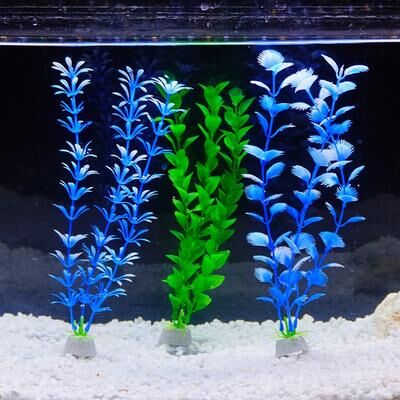
Multisell Products Hub Artificial Aquatic Plants, Green Grass For Aquarium Landscaping Decor 3pcs 25cmTransform Your Aquarium with Artificial Aquatic Plants Bring life to your fish tank with 3 pcs Artificial Plastic Green Grass Aquatic Plants. Crafted from durable, highquality plastic, these plants offer a realistic look while maintaining...34,97 $*Shipping: 0,00 $Secure redirect to the provider
-
Inspire Curations Premium White Polished Pebbles Natural Decorative Stones For Aquarium, Plants & Landscaping 800gElevate your space with the clean, calming beauty of these white decorative pebbles. Designed for both indoor and outdoor styling, these smooth stones instantly brighten any setupfrom aquariums to plant pots and garden paths. Their polished finish...130,50 $*Shipping: 0,00 $Secure redirect to the provider
-
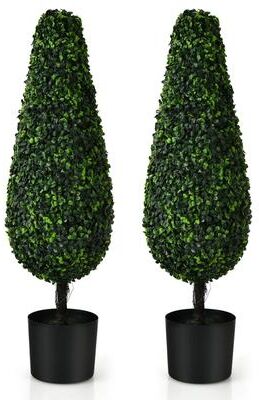
3ft Artificial Boxwood Tower Topiary Trees Decorative Greenery PlantsOur artificial greenery plants are as natural as they were, so lifelike that it is difficult to distinguish them from real flowers and plants. It could bring you fresh feeling from nature at any time of the year.202,99 $*Shipping: 0,00 $Secure redirect to the provider
-
BBC Books RHS How to Garden 3 Book Set – Perennial Plants, Grow Food for Free & Gardening Guide CollectionHow to Garden Perennial Garden Plants, RHS How To Garden (HB), Grow Food for Free (HB) 3 Books Collection Set Alan Titchmarsh How to Garden: Perennial Garden Plants Herbaceous perennials flower each year, dying down in the winter and springing back to life the following spring. They are central features in the landscape of a garden as they appear year-after-year and must be regarded as constant features. This book gives the expert view on the vast array of flowers available. Includes: creative garden ideas and border planting plans practical advice on care, maintenance and propagation illustrated A-Z profiles of recommended plants recommended plants for specific purposes, conditions and effects step-by-step illustrations showing essential techniques Alan Titchmarsh imparts a lifetime of expertise in these definitive guides for beginners and experienced gardeners. Step-by-step illustrations and easy-to-follow instructions guide you through the basic gardening skills and on to the advanced techniques, providing everything you need to create beautiful flower borders in your garden. RHS How To Garden When You're New To Gardening: The Basics For Absolute Beginners (Hardback) If the desire to start a garden has been planted in your heart, then this essential guide is a wonderful companion to accompany you on your new adventure! If you're not sure of the first steps to take, this handbook takes the anxiety out of plotting and planting and equips you with all the know-how and confidence you need to get digging into your garden. Creating a garden that you can enjoy and keep looking beautiful all year round is easier than you think!With the expertise of the Royal Horticultural Society, you'll find simple step-by-step instructions, with clear images to help you create your dream garden, no matter the size and scale. Get to know your garden and choose plants that will grow well in particular soil types and conditions year after year. From growing root crop to cutting back ivy, this book gives you lots of simple garden ideas and projects that you can do yourself. Even if you've never sowed a seed or pulled a weed, RHS How to Garden When You're New To Gardening contains everything you need to kickstart your new outdoor hobby! This refreshingly accessible book is perfect for the novice gardener who wants to make the most of whatever garden they have. Your Guide to Creating the Garden of Your Dreams Do you want to create a garden you can show off with pride? Would you like to grow your own food? This book will get you started quickly! By following the simple steps and projects outlined in this book, you will reap instant rewards and long-term successes so that you can enjoy your garden in all seasons. Inside the pages of this comprehensive gardening book, you'll discover: - Clear definitions and descriptions of the different types of plants. - Tips on choosing the type of garden you want. - Easy-to-follow instructions for choosing the right plants for your soil....14,99 £*Shipping: 2,99 £Secure redirect to the provider


-
How can I reduce further polygons?
To reduce further polygons, you can try simplifying the geometry by removing unnecessary vertices or edges. This can be done by using tools like the simplify function in modeling software or manually editing the mesh to remove unnecessary details. Additionally, you can try using techniques like retopology to create a cleaner and more optimized mesh with fewer polygons. Finally, consider using LOD (Level of Detail) techniques to dynamically adjust the level of detail based on the distance of the object from the camera, reducing the number of polygons rendered at a given time. **
-
How can I further reduce polygons?
You can further reduce polygons by using tools such as the "Decimate" modifier in 3D modeling software, which allows you to reduce the number of polygons while preserving the overall shape of the model. Additionally, you can manually optimize the topology of the model by merging vertices, removing unnecessary edge loops, and simplifying complex geometry. Another approach is to use automated retopology tools to create a lower-polygon version of the model while maintaining its overall structure and details. **
-
How do you calculate regular polygons?
To calculate the area of a regular polygon, you can use the formula: Area = (1/2) * apothem * perimeter, where the apothem is the distance from the center of the polygon to the midpoint of any side, and the perimeter is the total length of all the sides. To calculate the interior angle of a regular polygon, you can use the formula: Interior angle = (180 * (n - 2)) / n, where n is the number of sides. Finally, to calculate the exterior angle of a regular polygon, you can use the formula: Exterior angle = 360 / n, where n is the number of sides. **
-
What are polygons in video games?
Polygons in video games are the building blocks of 3D graphics. They are flat, two-dimensional shapes that are used to create the surfaces of 3D objects in the game world. These polygons are connected to form the overall shape of the object, and then textures and lighting are applied to give them a more realistic appearance. The more polygons used, the more detailed and complex the 3D models can be, but this also requires more processing power from the computer or gaming console. **


Does a subdivision surface create more polygons?
Yes, a subdivision surface does create more polygons. When a subdivision surface is applied to a model, it increases the number of polygons by subdividing the existing geometry and creating a smoother surface. This can result in a higher level of detail and a more organic shape, but it also increases the complexity of the model and can impact performance in some cases. **
How do you calculate polygons in math?
To calculate the area of a polygon in math, you can use the formula A = 1/2 * base * height for a triangle, A = length * width for a rectangle, or A = 1/2 * apothem * perimeter for a regular polygon. For irregular polygons, you can divide the shape into smaller, simpler shapes and calculate their individual areas, then sum them up to find the total area of the polygon. Additionally, you can use trigonometric functions to calculate the area of a polygon with known side lengths and angles. **
Top-Angebote
Products related to Polygons:
-
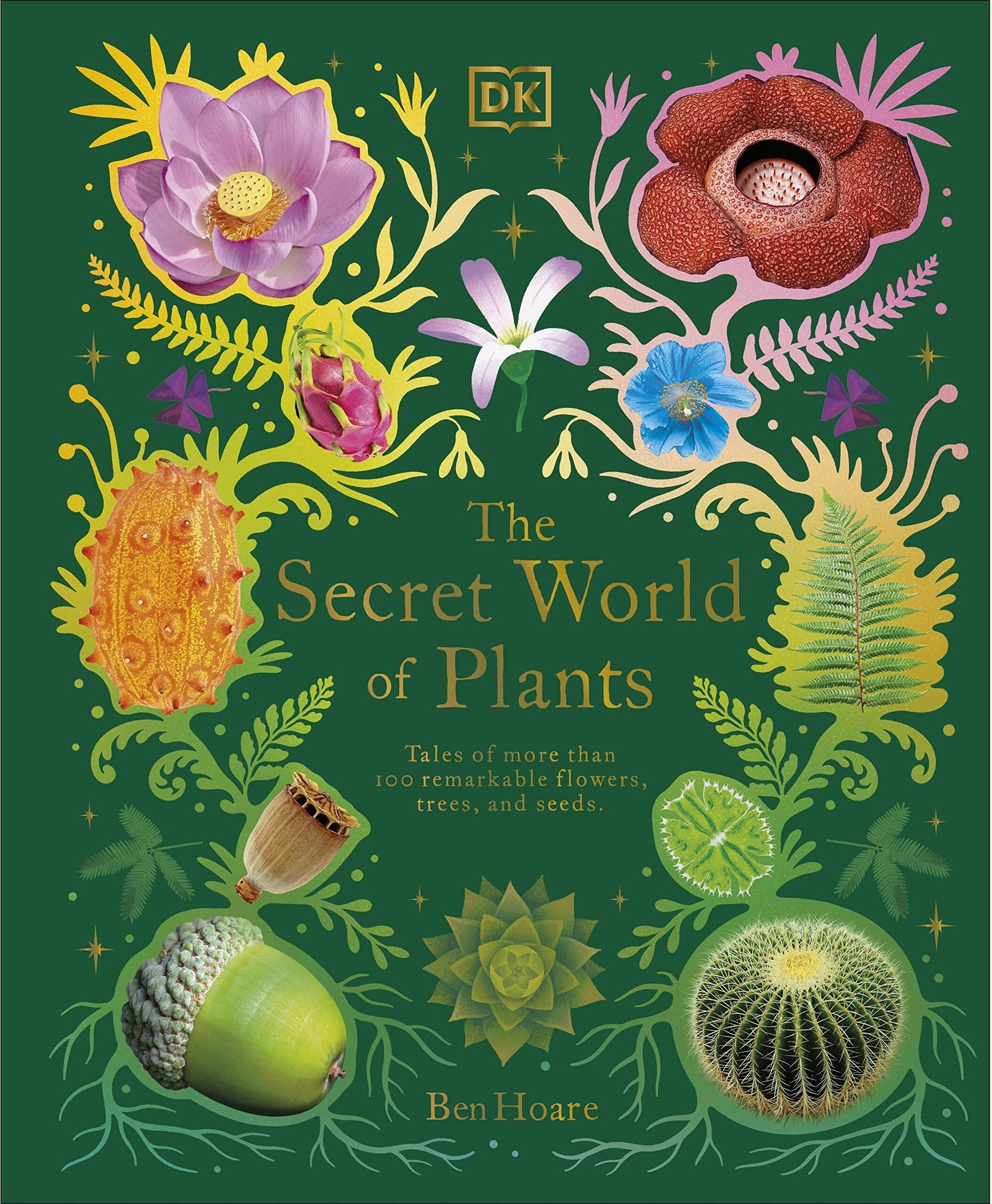
DK Children The Secret World of Plants: Tales of More Than 100 Remarkable Flowers, Trees, and Seeds by Ben Hoare (DK Treasures)A timeless treasury of more than 100 stories from the incredible kingdom of plants, told by author and nature expert Ben Hoare. Plants are found almost everywhere on Earth, but to many people, their lives are a mystery. Learn how seagrass flowers underwater, how the Venus flytrap counts to make sure it catches its prey, and why some tulips used to cost more than a house! This fascinating book for kids explores the vast plant kingdom and explains how plants work, as well as the weird and wonderful relationships they have with animals. Children can discover the secrets of more than 100 amazing plants in this treasury of fascinating flora, as well as the essentials of plant science, including photosynthesis, pollination, and germination. Each species is shown with remarkable photography and beautiful illustrations, all brought to life by Ben Hoare's writing, filled with charm and infectious enthusiasm. This nature book for children ages 7+ features:- An eye-catching holographic cover, gilded edges, and stunning photography and illustrations, making it the perfect gift - A wide range of incredible plants and trees from all around the world- Illustrated diagrams to support definitions of different types of plants - Introductory reference pages that explain key topics such as photosynthesisThis book is a must for any child interested in the natural world and the plants that grow in it. Plants provide us with food, fuel, and medicine, and without them, life as we know it would not exist. From orchids that grow vanilla pods to leaves that look like stones, and from bamboo that can be made into clothes to moss that soaks up vast amounts of carbon dioxide, plants shape our world in an endless variety of ways.13,99 £*Shipping: 2,99 £Secure redirect to the provider
-
Multisell Products Hub Artificial Aquatic Plants, Green Grass For Aquarium Landscaping Decor 3pcs 25cmTransform Your Aquarium with Artificial Aquatic Plants Bring life to your fish tank with 3 pcs Artificial Plastic Green Grass Aquatic Plants. Crafted from durable, highquality plastic, these plants offer a realistic look while maintaining...34,97 $*Shipping: 0,00 $Secure redirect to the provider
-
Inspire Curations Premium White Polished Pebbles Natural Decorative Stones For Aquarium, Plants & Landscaping 800gElevate your space with the clean, calming beauty of these white decorative pebbles. Designed for both indoor and outdoor styling, these smooth stones instantly brighten any setupfrom aquariums to plant pots and garden paths. Their polished finish...130,50 $*Shipping: 0,00 $Secure redirect to the provider
-
What are polygons?
Polygons are two-dimensional shapes that are made up of straight lines and enclosed by a set of vertices. They can have any number of sides, but must have at least three. Common examples of polygons include triangles, squares, rectangles, pentagons, hexagons, and octagons. Polygons are used in various mathematical and geometric applications, and are fundamental to understanding the properties of shapes and their relationships. **
-
What are triangles and polygons?
Triangles are three-sided polygons, while polygons are closed shapes with straight sides. Triangles are a specific type of polygon with three sides and three angles. Polygons can have any number of sides, as long as they are straight and the shape is closed. Both triangles and polygons are fundamental shapes in geometry and are used to study the properties of angles, sides, and area. **
-
How can I reduce further polygons?
To reduce further polygons, you can try simplifying the geometry by removing unnecessary vertices or edges. This can be done by using tools like the simplify function in modeling software or manually editing the mesh to remove unnecessary details. Additionally, you can try using techniques like retopology to create a cleaner and more optimized mesh with fewer polygons. Finally, consider using LOD (Level of Detail) techniques to dynamically adjust the level of detail based on the distance of the object from the camera, reducing the number of polygons rendered at a given time. **
-
How can I further reduce polygons?
You can further reduce polygons by using tools such as the "Decimate" modifier in 3D modeling software, which allows you to reduce the number of polygons while preserving the overall shape of the model. Additionally, you can manually optimize the topology of the model by merging vertices, removing unnecessary edge loops, and simplifying complex geometry. Another approach is to use automated retopology tools to create a lower-polygon version of the model while maintaining its overall structure and details. **
Similar search terms for Polygons
-
3ft Artificial Boxwood Tower Topiary Trees Decorative Greenery PlantsOur artificial greenery plants are as natural as they were, so lifelike that it is difficult to distinguish them from real flowers and plants. It could bring you fresh feeling from nature at any time of the year.202,99 $*Shipping: 0,00 $Secure redirect to the provider
-
BBC Books RHS How to Garden 3 Book Set – Perennial Plants, Grow Food for Free & Gardening Guide CollectionHow to Garden Perennial Garden Plants, RHS How To Garden (HB), Grow Food for Free (HB) 3 Books Collection Set Alan Titchmarsh How to Garden: Perennial Garden Plants Herbaceous perennials flower each year, dying down in the winter and springing back to life the following spring. They are central features in the landscape of a garden as they appear year-after-year and must be regarded as constant features. This book gives the expert view on the vast array of flowers available. Includes: creative garden ideas and border planting plans practical advice on care, maintenance and propagation illustrated A-Z profiles of recommended plants recommended plants for specific purposes, conditions and effects step-by-step illustrations showing essential techniques Alan Titchmarsh imparts a lifetime of expertise in these definitive guides for beginners and experienced gardeners. Step-by-step illustrations and easy-to-follow instructions guide you through the basic gardening skills and on to the advanced techniques, providing everything you need to create beautiful flower borders in your garden. RHS How To Garden When You're New To Gardening: The Basics For Absolute Beginners (Hardback) If the desire to start a garden has been planted in your heart, then this essential guide is a wonderful companion to accompany you on your new adventure! If you're not sure of the first steps to take, this handbook takes the anxiety out of plotting and planting and equips you with all the know-how and confidence you need to get digging into your garden. Creating a garden that you can enjoy and keep looking beautiful all year round is easier than you think!With the expertise of the Royal Horticultural Society, you'll find simple step-by-step instructions, with clear images to help you create your dream garden, no matter the size and scale. Get to know your garden and choose plants that will grow well in particular soil types and conditions year after year. From growing root crop to cutting back ivy, this book gives you lots of simple garden ideas and projects that you can do yourself. Even if you've never sowed a seed or pulled a weed, RHS How to Garden When You're New To Gardening contains everything you need to kickstart your new outdoor hobby! This refreshingly accessible book is perfect for the novice gardener who wants to make the most of whatever garden they have. Your Guide to Creating the Garden of Your Dreams Do you want to create a garden you can show off with pride? Would you like to grow your own food? This book will get you started quickly! By following the simple steps and projects outlined in this book, you will reap instant rewards and long-term successes so that you can enjoy your garden in all seasons. Inside the pages of this comprehensive gardening book, you'll discover: - Clear definitions and descriptions of the different types of plants. - Tips on choosing the type of garden you want. - Easy-to-follow instructions for choosing the right plants for your soil....14,99 £*Shipping: 2,99 £Secure redirect to the provider
-
Kodotan sofa 6FT Spiral Topiary Trees Artificial Outdoor Faux Boxwood Plants Large Twisted Green Potted Trees, 2pcs/setOutdoor uv resistant plastic boxwood topiary bonsai artificial spiral tree plant 5.9ft 2pc/set. Indulge in lifelike artificial greenery, boasting vibrant hues and textures. Elevate your home's charm with this stunning addition of nature-inspired...299,99 $*Shipping: 0,00 $Secure redirect to the provider
-
Kodotan sofa 7FT Spiral Topiary Trees Artificial Outdoor Faux Boxwood Plants Large Twisted Green Potted Trees, 1pc/setYear-round elegance—no seasonal wilting or maintenance needed for perpetual vibrancy. Reduce packaging waste, supporting eco-conscious home styling. Sturdy weighted bases included for stability on uneven surfaces or high-traffic areas.215,49 $*Shipping: 0,00 $Secure redirect to the provider
-
How do you calculate regular polygons?
To calculate the area of a regular polygon, you can use the formula: Area = (1/2) * apothem * perimeter, where the apothem is the distance from the center of the polygon to the midpoint of any side, and the perimeter is the total length of all the sides. To calculate the interior angle of a regular polygon, you can use the formula: Interior angle = (180 * (n - 2)) / n, where n is the number of sides. Finally, to calculate the exterior angle of a regular polygon, you can use the formula: Exterior angle = 360 / n, where n is the number of sides. **
-
What are polygons in video games?
Polygons in video games are the building blocks of 3D graphics. They are flat, two-dimensional shapes that are used to create the surfaces of 3D objects in the game world. These polygons are connected to form the overall shape of the object, and then textures and lighting are applied to give them a more realistic appearance. The more polygons used, the more detailed and complex the 3D models can be, but this also requires more processing power from the computer or gaming console. **
-
Does a subdivision surface create more polygons?
Yes, a subdivision surface does create more polygons. When a subdivision surface is applied to a model, it increases the number of polygons by subdividing the existing geometry and creating a smoother surface. This can result in a higher level of detail and a more organic shape, but it also increases the complexity of the model and can impact performance in some cases. **
-
How do you calculate polygons in math?
To calculate the area of a polygon in math, you can use the formula A = 1/2 * base * height for a triangle, A = length * width for a rectangle, or A = 1/2 * apothem * perimeter for a regular polygon. For irregular polygons, you can divide the shape into smaller, simpler shapes and calculate their individual areas, then sum them up to find the total area of the polygon. Additionally, you can use trigonometric functions to calculate the area of a polygon with known side lengths and angles. **
* All prices are inclusive of VAT and, if applicable, plus shipping costs. The offer information is based on the details provided by the respective shop and is updated through automated processes. Real-time updates do not occur, so deviations can occur in individual cases. ** Note: Parts of this content were created by AI.